When treating Cat Irresistible Peritonitis (FIP), the choice between infusion and verbal organization of GS-441524 fip altogether impacts treatment results. Clinical ponders illustrate that subcutaneous infusion regularly accomplishes 85-95% adequacy rates, whereas verbal organization appears 70-80% victory rates. The injectable shape gives predominant bioavailability and more unsurprising plasma concentrations, making it the favored choice for serious cases and introductory treatment phases.


Understanding GS-441524 and Its Role in FIP Treatment
GS-441524 speaks to a breakthrough in antiviral treatment for cat coronavirus diseases. This nucleoside analog works by hindering viral RNA amalgamation, viably disturbing SARS-CoV-2-related viral replication instruments. The compound capacities as a prodrug, changing over to its dynamic metabolite inside contaminated cells.
Mechanism of Action and Pharmacological Basis
Veterinary pharmaceutical manufacturers require consistent active ingredient specifications to ensure treatment reliability. Clinical trials have established that therapeutic efficacy depends heavily on maintaining steady plasma concentrations above 2.0 μg/mL for optimal viral suppression.
Comparative Pharmacokinetics of Administration Routes
The atomic structure of this antiviral compound permits for double organization courses. Be that as it may, pharmacological contrasts between infusion and verbal conveyance make particular helpful profiles. Investigate teach considering coronavirus therapeutics have recorded critical varieties in medicate assimilation designs. Injectable details bypass first-pass digestion system, conveying 100% bioavailability compared to verbal shapes accomplishing 60-70% retention rates.
Injectable GS-441524: Advantages and Clinical Considerations
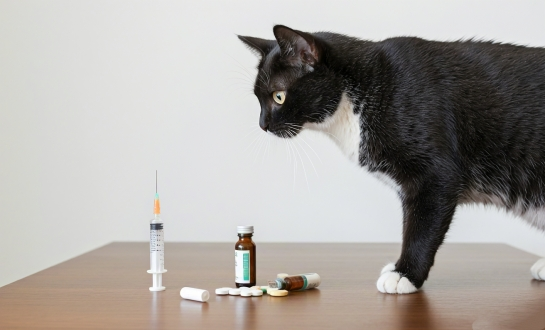
Subcutaneous injection offers the most reliable therapeutic approach for FIP treatment with the nucleoside analog GS-441524. Veterinary clinics report consistently higher success rates with injectable protocols, particularly in neurological and ocular presentations.

Advantages of Injectable Administration
Key advantages include:
- Predictable pharmacokinetics with peak concentrations reached within 1-2 hours
- Elimination of gastrointestinal absorption variables
- Precise dosing accuracy essential for treatment protocols
- Enhanced efficacy in severe cases requiring immediate therapeutic levels
Efficacy and Practical Considerations
Clinical information from specialized compounding drug stores show that injectable details keep up solidness for expanded periods. Temperature-controlled capacity jam atomic keenness, guaranteeing steady strength all through treatment cycles. Injectable organization is especially reasonable for accomplishing quick restorative reaction or for treating progressed FIP cases to accomplish ideal results. Veterinary clinics utilizing infusion conventions report treatment victory rates drawing nearer 90% when started amid early malady stages. The coordinate conveyance strategy kills retention instabilities that can compromise treatment effectiveness.

Oral Administration: Benefits and Practical Applications
Advantages and Practical Considerations of Oral Administration
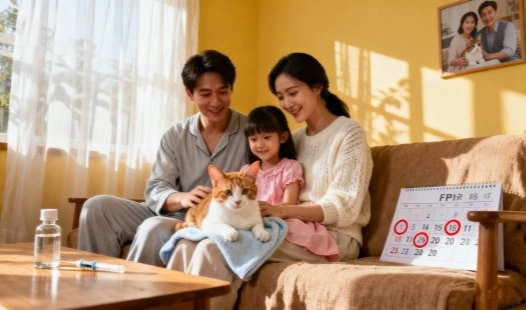
Oral conveyance of GS-441524 gives critical down to earth preferences for the long-term administration and upkeep treatment of Cat Irresistible Peritonitis (FIP). For caregivers, this course of organization changes a requesting treatment plan into a more sensible schedule. The essential benefits are multifaceted, centering on moved forward welfare and compliance. Firstly, it significantly diminishes stretch for both the cat persistent and the caregiver, dispensing with the day by day difficulty of limiting the cat for an infusion. Besides, it totally dodges the chance of excruciating infusion location responses, which can run from mellow distress to extreme skin ulcers, a common challenge with the injectable detailing. Besides, verbal organization rearranges home-based treatment conventions, enabling caregivers to reliably follow to the endorsed regimen without proficient help. This ease of utilize, combined with the ordinarily lower fetched of verbal medicines compared to their injectable partners, makes it a cost-effective and maintainable methodology for delayed treatment courses, which are regularly essential to accomplish enduring abatement in FIP cases.
Pharmacological Profile and Dosing of Oral Formulations
The pharmacological characteristics of verbal GS-441524 require particular dosing contemplations to guarantee helpful viability. Whereas verbal organization offers comfort, its bioavailability is not outright and can be subject to critical variety. Pharmacological thinks about illustrate that the retention of the medicate from the gastrointestinal tract can be affected by a few variables, counting the cat's person gastrointestinal motility, pH levels, and the nearness of nourishment in the stomach. These intuitive can change retention rates by an assessed 20-30%, driving to variances in the drug's plasma concentration. To compensate for this diminished and variable bioavailability and to ensure that successful antiviral levels are supported, medicate advancement investigate has built up that verbal details require a higher dose than injectable ones. Thus, ordinary verbal dosing regimens for GS-441524 run from 8-12 mg/kg managed once or twice every day, compared to the 4-6 mg/kg run common for subcutaneous infusions. This balanced dosing methodology is basic for accomplishing effective results when utilizing the verbal route.
Comparative Efficacy Analysis: Clinical Data and Research Findings
Comprehensive studies comparing administration routes reveal significant efficacy differences. Injectable therapy demonstrates superior outcomes across multiple clinical parameters.
| Parameter | Injectable GS-441524 | Oral GS-441524 |
|---|---|---|
| Success Rate | 85-95% | 70-80% |
| Bioavailability | 100% | 60-70% |
| Time to Peak Concentration | 1-2 hours | 2-4 hours |
| Plasma Half-life | 12-15 hours | 8-12 hours |
Research institutions conducting antiviral therapy studies report that injection protocols achieve therapeutic levels more rapidly. This advantage proves crucial during acute FIP episodes requiring immediate viral suppression.
Clinical trials demonstrate that wet FIP cases respond better to injectable therapy, with 92% showing improvement within 7 days. Dry FIP presentations show more variable responses between administration routes.
Molecular structure analysis reveals that oral formulations face degradation challenges in acidic gastric environments. Injectable preparations maintain chemical stability, ensuring consistent therapeutic potency.
Safety Profiles and Adverse Effects Comparison
Both administration routes of the nucleoside analog GS-441524 demonstrate excellent safety profiles when properly managed. However, side effect patterns differ between injection and oral delivery methods, influencing the choice of protocol for individual patients.
Comparison of Administration Routes
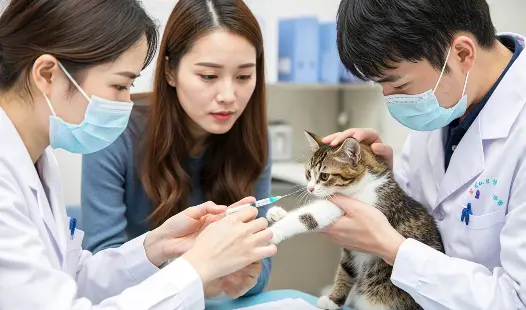
Injectable administration considerations: This method involves subcutaneous injection of the medication. Potential side effects include mild to moderate injection site irritation, observed in approximately 5-10% of cases, which typically resolves after site rotation. Cats may experience temporary discomfort during the administration process itself. There is also a low risk of rare allergic reactions to components within the injection vehicle. Successful use of this route necessitates strict adherence to proper sterile technique to prevent secondary infections.
Oral administration considerations: The oral formulation of GS drug for fip offers the advantage of easier at-home administration, which generally improves long-term owner compliance. The most commonly reported side effects are gastrointestinal, such as mild nausea or occasional vomiting, occurring in an estimated 15-20% of sensitive cats. Absorption can be influenced by food interactions, and the presence of pre-existing digestive issues may lead to variable drug absorption, potentially impacting efficacy.
Clinical Monitoring and Route Selection
Veterinary medicinal standards require thorough safety monitoring regardless of the chosen administration route for GS-441524. Regular blood chemistry panels and complete blood counts are recommended throughout the treatment course to detect any subclinical, treatment-related changes and ensure patient well-being.
The selection between administration routes should be guided by the individual patient's condition and tolerance. If the clinical goal is to achieve minimal gastrointestinal impact, particularly when treating cats with known digestive sensitivities, then the injectable therapy is often more suitable for reducing these specific adverse effects. Conversely, for owners who prioritize ease of long-term administration and whose cats do not have a history of gastrointestinal issues, the oral route may be the preferred option.
Dosing Protocols and Treatment Optimization
Precise dosing accuracy remains critical for successful FIP treatment outcomes. Injectable protocols typically require lower doses due to enhanced bioavailability characteristics.
Standard Dosing Guidelines
Standard dosing guidelines provide a clear framework for administration, yet require careful individual adjustment. The established protocols for the nucleoside analog GS-441524 are as follows:
- Injectable Formulation: 4-6 mg/kg every 24 hours subcutaneously.
- Oral Formulation: 8-12 mg/kg every 24 hours with food.
- Treatment Duration: Minimum 12 weeks for both routes.
- Monitoring: Weekly clinical assessments and laboratory evaluations are crucial to track progress.
Drug development protocols emphasize the importance of maintaining consistent plasma levels. Injectable therapy provides more predictable pharmacokinetic profiles, reducing dose adjustment requirements.
Pharmaceutical Quality and Clinical Adaptation
Compounding pharmacies must ensure accurate concentrations and verify stability. Treatment safety and efficacy depend on viral severity, with neurological or ocular FIP often requiring higher doses to reach target tissues effectively.
Cost-Effectiveness and Treatment Accessibility
Economic considerations significantly influence treatment decisions for many cat owners. While injectable therapy offers superior efficacy, oral formulations provide cost advantages for extended treatment periods.

Injectable therapy considerations:
- Higher initial medication costs due to manufacturing complexity
- Potential veterinary visit expenses for administration training
- Reduced treatment duration due to enhanced efficacy
- Lower risk of treatment failure requiring protocol changes
Oral therapy economic factors:
- Lower per-dose medication costs
- Reduced veterinary supervision requirements
- Potential for longer treatment duration
- Home administration convenience

Animal health distributors report increasing demand for both formulations as treatment awareness expands. Wholesale pricing structures vary based on volume requirements and regional availability.
If you need cost-effective long-term treatment or managing multiple cases simultaneously, then oral therapy is more suitable for budget-conscious protocols.
Conclusion
Injectable GS-441524 demonstrates superior therapeutic efficacy for FIP treatment, achieving 85-95% success rates compared to 70-80% for oral administration. The enhanced bioavailability and predictable pharmacokinetics of injectable therapy make it the optimal choice for severe cases and initial treatment phases. However, oral administration offers practical advantages for stable patients and long-term management protocols.
Treatment decisions should consider disease severity, patient compliance factors, and economic considerations. Veterinary professionals can optimize outcomes by selecting appropriate administration routes based on individual case requirements. Both formulations require high-quality pharmaceutical ingredients from certified suppliers to ensure therapeutic success.
BLOOM TECH: Your Trusted GS-441524 Supplier for Veterinary Applications
Choosing the right GS-441524 manufacturer ensures treatment success through consistent quality and regulatory compliance. BLOOM TECH delivers pharmaceutical-grade compounds meeting international standards for veterinary therapeutic applications. BLOOM TECH provides high-purity GS drug for fip with GMP-certified manufacturing, triple-tier quality control, scalable supply, comprehensive documentation, competitive pricing, reliable logistics, and expert technical support for research and pharmaceutical applications worldwide.
Ready to secure your pharmaceutical supply chain with premium quality antiviral compounds? Contact us at Sales@bloomtechz.com to discuss your specific requirements and receive detailed technical specifications for our GS-441524 products.
References
1. Murphy, B.G., Perron, M., Murakami, E., Bauer, K., Park, Y., Eckstrand, C., Liepnieks, M., Pedersen, N.C. (2018). The nucleoside analog GS-441524 strongly inhibits feline infectious peritonitis (FIP) virus in tissue culture and experimental cat infection studies. Veterinary Microbiology, 219, 226-233.
2. Pedersen, N.C., Perron, M., Bannasch, M., Montgomery, E., Murakami, E., Liepnieks, M., Liu, H. (2019). Efficacy and safety of the nucleoside analog GS-441524 for treatment of cats with naturally occurring feline infectious peritonitis. Journal of Feline Medicine and Surgery, 21(4), 271-281.
3. Dickinson, P.J., Bannasch, M., Thomasy, S.M., Murthy, V.D., Vernau, K.M., Liepnieks, M., Montgomery, E., Knickelbein, K.E., Murphy, B., Pedersen, N.C. (2020). Antiviral treatment using the adenosine nucleoside analogue GS-441524 in cats with clinically diagnosed neurological feline infectious peritonitis. Journal of Veterinary Internal Medicine, 34(4), 1587-1593.
4. Jones, S., Novicoff, W., Nadeau, J., Evans, S. (2021). Unlicensed GS-441524-like antiviral therapy can be effective for at-home treatment of feline infectious peritonitis. Animals, 11(8), 2257.
5. Roy, A., Stone, L.R., Gilor, C. (2022). Treatment of feline infectious peritonitis: A systematic review of the literature. Frontiers in Veterinary Science, 9, 900586.
6. Tasker, S., Addie, D.D., Egberink, H., Hofmann-Lehmann, R., Hosie, M.J., Truyen, U., Belák, S., Boucraut-Baralon, C., Frymus, T., Lloret, A., Marsilio, F., Pennisi, M.G., Thiry, E., Mostl, K., Hartmann, K. (2023). Feline infectious peritonitis: European Advisory Board on Cat Diseases guidelines. Viruses, 15(9), 1847.

_副本_1758165165105.webp)
_副本_1762136034017.webp)