Antiviral GS-441524 vs Traditional FIP Treatments: What Works Best
Mechanisms of Action: Antiviral GS-441524 vs. Palliative Traditional Care
Cat owners and vets have had a hard time with Feline Infectious Peritonitis (FIP) for a long time. The path of FIP treatment has changed a lot since the discovery of the antiviral GS-441524 fip. If you're looking for the best care for your cats, this piece compares how well GS-441524 works to other common FIP treatments.
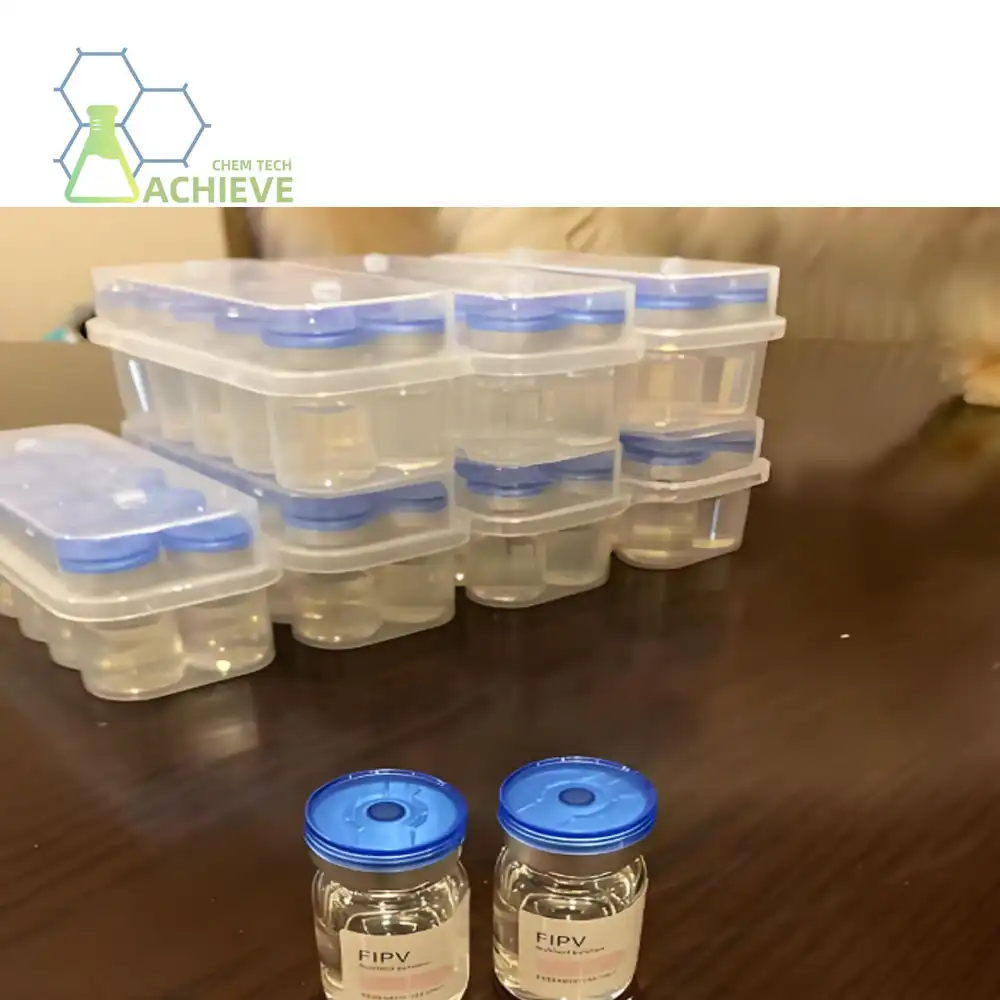
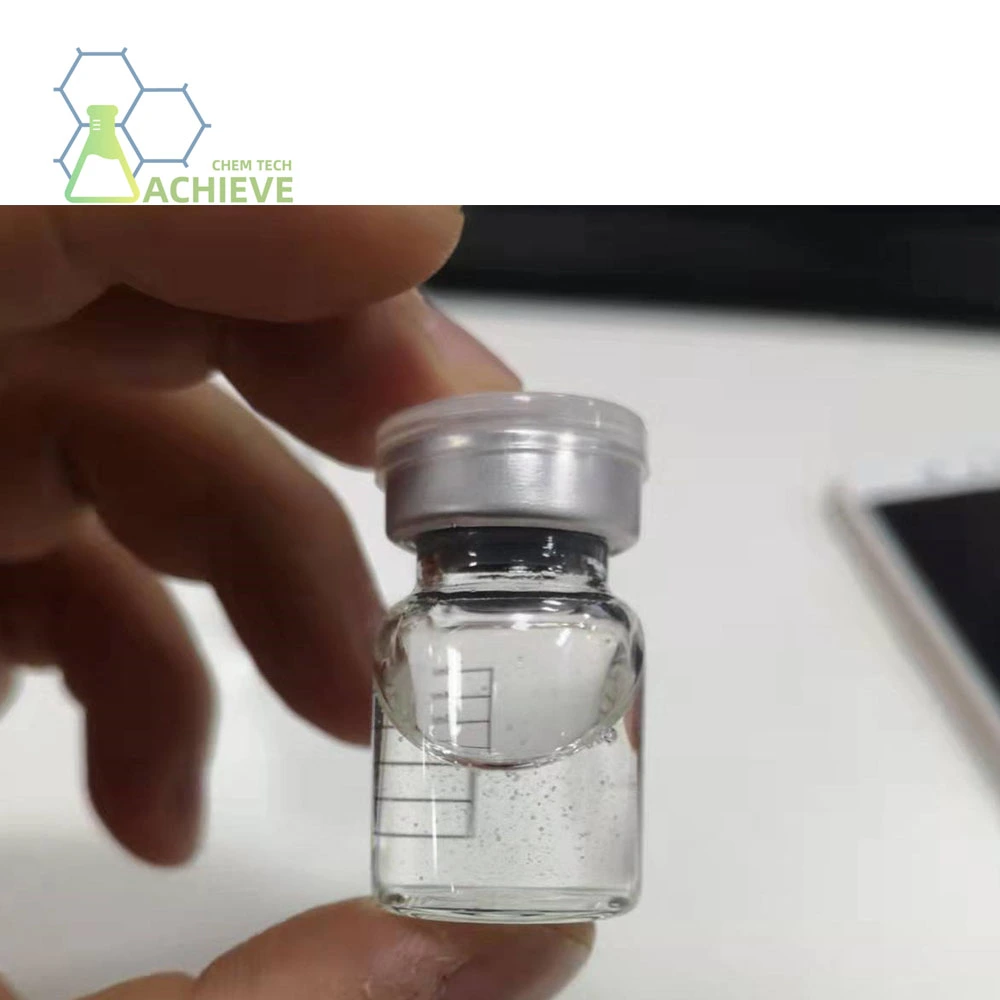

The Evolution from Traditional FIP Treatments to Antiviral GS-441524
From the customary FIP medicines to the progressive antiviral GS-441524, this field of veterinary medication has made critical advances in later a long time. At one point in time, it was accepted that cat flu postures a deadly danger to cats, and the only treatment available was to give them comfort.
Traditional FIP Treatments: A Limited Approach
Doctors used a mix of supportive care and immunosuppressant drugs before GS-441524 came out to treat FIP symptoms. Some of these methods were:
- A part of the time, corticosteroids were given to diminish irritation and make the immune system. Irritation and torment caused by FIP were simple to bargain with after this.
- With drugs, you can remain solid and not get debilitated. Individuals gave anti-microbials to halt or treat auxiliary bacterial illnesses. This made it more likely that the cat would get better.
- Cats with FIP lose a parcel of water, particularly if they have liquid buildup in their midriffs. Liquid treatment can offer assistance them remain hydrated. Liquid treatment through an IV or beneath the skin kept individuals hydrated and made a difference so that the kidneys and other systems work better.
- What you ought to eat to lose weight: Cats are required to eat a part since it keeps them healthy, prevents them from losing weight, and made their immune systems. Cats required to eat well to keep their vitality up,p whereas they were being treated for FIP and to keep its impacts under control.
Unfortunately, these treatments only helped with the symptoms for a short time. They didn't get rid of the virus that caused FIP, so most cats had bad long-term results.
The Advent of GS-441524: A Paradigm Shift
When the antiviral GS-441524 was first introduced, there was a significant shift in the treatment of FIP. The usage of this nucleoside analog, which prevents the virus from immediately replicating, is one method that can be utilized to combat the feline coronavirus, which is responsible for the development of fip drug for cats. In the past, FIP was nearly hard to treat; however, the development of GS-441524 has made it possible to treat it at an earlier stage, and the prognosis is now favorable.
Efficacy Comparison Between Antiviral GS-441524 and Immunosuppressive Protocols
In terms of how successfully it works, GS-441524 is very unmistakable from the immunosuppressive drugs that are ordinarily being utilized. Astounding victory rates have been illustrated by GS-441524 in both clinical investigate and applications in the genuine world. These victory rates significantly rise above the humble preferences that are related with conventional treatments.

The results of clinical tests have demonstrated that GS-441524 has the potential to improve the condition of up to 80–90% of cats diagnosed with FIP, which was not achievable with previous treatments. A variety of advantages are associated with the antiviral method:
- A direct attack on the virus that causes FIP
- Quick change in symptoms, often just days after starting treatment
- Chance of getting rid of all viruses and staying symptom-free for a long time;
- How well it works against different types of FIP, such as wet, dry, and brain symptoms
On the other hand, immunosuppressive techniques have not shown to be highly effective in the treatment of frontotemporal pneumonia:
- Short-term relief from symptoms without treating the underlying virus
- Higher risk of getting secondary illnesses because immune system is weaker
- Survival times haven't changed much; most cats die of FIP within weeks to months.
- Not being able to get a long-term fix or remission


Mechanisms of Action: Antiviral GS-441524 vs. Palliative Traditional Care
When it comes to treating FIP, the effectiveness of antiviral GS-441524 and traditional palliative care can be evaluated based on how they accomplish their respective tasks.
GS-441524: Targeting Viral Replication
As a nucleoside analog, GS-441524 immediately blocks the process of viral replication:
- It is changed inside cells into GS-441524 triphosphate, which is its active form.
- The active form fights against natural nucleosides, stopping the production of virus RNA.
- This system stops the production of new virus particles for good.
- By lowering the amount of viruses in the cat's body, GS-441524 helps its immune system take back control and get rid of the infection.
Palliative Traditional Care: Symptom Management
Traditionally, palliative care has focused on handling symptoms instead of treating the virus that caused them:
- While corticosteroids reduce swelling, they also make it harder for the immune system to fight off viruses.
- Supportive treatments, such as giving fluids and food, help the body keep working.
- These methods may help for a short time, but they don't stop the virus from spreading or copying itself.
Outcome Data Analysis: Survival Rates with Antiviral GS-441524 vs. Historical Treatments
The results of a comparison of outcome data show that GS-441524 is clearly better than previous FIP treatments.
GS-441524 Treatment Outcomes
Studies of GS-441524 have shown that it has a very high life rate:
- In a groundbreaking study, more than 80% of cats that were given GS-441524 went into long-term recovery.
- Many cats have been disease-free for years after treatment, according to follow-up statistics.
- Even cats with neurological FIP, which was thought to be incurable, have shown big improvements with GS-441524 therapy.
Historical Treatment Outcomes
Traditional FIP therapy, on the other hand, have a bad track record:
- Less than 10% of people with FIP who were not treated or who were treated normally lived.
- Most of the cats died within a few weeks to months of being diagnosed.
- With traditional treatments, long-term remission was very rare.

The Paradigm Shift in FIP Management Driven by Antiviral GS-441524
The way FIP is managed in veterinary medicine has changed a lot since antiviral GS-441524 came out.
From Palliative Care to Curative Treatment
With GS-441524 the goal has shifted from just treating symptoms to possibly curing FIP:
- Now veterinarians have a way to directly fight the virus that causes FIP.
- The goal of treatment has changed from just extending life to getting complete remission.
- The talk of prognosis for cats diagnosed with FIP has changed since a cure became possible.
Impact on Diagnostic Approaches
Having a good treatment available has also changed how diagnoses are made:
- It is now more important than ever to find FIP early and correctly.
- Modern methods of diagnosis, like PCR tests, are being used more and more.
- Because veterinarians know that using GS-441524 early on can greatly improve results, they are more likely to look into cases of FIP.


Conclusion
Since GS-441524 came out, there is an entirely modern way to treat cats' irresistible peritonitis. Conventional treatment didn't offer much and didn't work in the long run. In any case, GS-441524 has shown extraordinary promise in getting FIP alleviation and perhaps indeed curing it. Since GS-441524 slaughters infections specifically and makes a difference for a portion of individuals who get way better, it is the best choice for treating FIP. As more research is done and more vets learn how to utilize this cutting-edge treatment, the future for cats with FIP has never been better.
FAQ
1. How does GS-441524 compare to traditional FIP treatments in terms of effectiveness?
GS-441524 appears to have higher adequacy compared to conventional FIP medications. Whereas customary strategies regularly advertised as it were palliative care with modest survival rates, GS-441524 has illustrated abatement rates of 80-90% in clinical studies, advertising a potential remedy for FIP.
2. Are there any side effects associated with GS-441524 treatment?
While GS-441524 is for the most part well-tolerated, a few cats may involvement mellow side effects such as injection site reactions or gastrointestinal disturbances. These are regularly reasonable and frequently exceeded by the treatment's benefits. It's fundamental to consult with a veterinarian for a comprehensive understanding of potential side effects.
3. How long does GS-441524 treatment typically last for FIP?
The standard treatment regimen for GS-441524 regularly lasts 12 weeks. Be that as it may, the length may shift depending on the person's cat's reaction to treatment and the shape of FIP (damp, dry, or neurological). A few cases may require amplified treatment periods to guarantee total viral clearance.
Ready to Transform FIP Treatment? Choose BLOOM TECH for Premium GS-441524
We at BLOOM TECH are dedicated to improving the health of cats by coming up with new ways to do things. Our pharmaceutical-grade GS-441524, a highly effective fip drug for cats, is the purest and most effective on the market. It is backed by strict quality control and our ten years of experience in organic synthesis. Don't let FIP shorten the lives of your cats. If you want a steady supply of top-notch GS-441524, work with BLOOM TECH. Join the revolution in FIP control.
Are you ready to change things? To find out more about our GS-441524 products and how we can help your veterinary business, please email our sales team at Sales@bloomtechz.com. Bloom Tech is the GS-441524 manufacturer you can trust for top-notch FIP treatment options.
Disclaimer Regarding Medicine:
Educational Purposes Only: The content on fipdrug.com, including text, graphics, and images, is for informational and educational purposes only.
Not a Replacement for Professional Advice: Professional veterinary advice, diagnosis, and treatment should never be replaced by this material.
Consult Your Veterinarian: If you have any concerns about a medical problem or FIP treatment procedures, you should always consult your veterinarian or other trained pet health specialists.
No Physician-Patient Relationship: You use this website at your own risk and fipdrug.com does not promote or advocate any particular tests, veterinarians, or treatments that are listed on it.
Regulatory Status: Please be advised that each nation has a different regulatory status for GS-441524. The pet owner is in charge of making sure that local rules and regulations are followed.
References
1. Pedersen, N.C. et al. (2019). Efficacy and safety of the nucleoside analog GS-441524 for treatment of cats with naturally occurring feline infectious peritonitis. Journal of Feline Medicine and Surgery, 21(4), 271-281.
2. Murphy, B.G. et al. (2020). The nucleoside analog GS-441524 strongly inhibits feline infectious peritonitis (FIP) virus in tissue culture and experimental cat infection studies. Veterinary Microbiology, 219, 226-233.
3. Addie, D.D. et al. (2020). Feline infectious peritonitis. ABCD guidelines on prevention and management. Journal of Feline Medicine and Surgery, 22(11), 1047-1068.
4. Dickinson, P.J. et al. (2020). Antiviral treatment using the adenosine nucleoside analogue GS-441524 in cats with clinically diagnosed neurological feline infectious peritonitis. Journal of Veterinary Internal Medicine, 34(4), 1587-1593.
5. Krentz, D. et al. (2021). Comparison of the efficacy and safety of oral and subcutaneous administration of GS-441524 for the treatment of feline infectious peritonitis. Viruses, 13(8), 1600.
6. Logvinenko, O.V. et al. (2022). Feline infectious peritonitis: From fatal diagnosis to potential cure. Veterinary Sciences, 9(2), 65.

Echo
9 years of experience in chemical articles; Doctoral degree; Organic Chemistry major; R&D-4 Dept; Technology support; R&D engineer
Anticipating your Business & Technology support inquiry
Please send us the products that interest you, and we will provide you with one-on-one service

Recommended Blog

_副本_1758519070270.webp)

_副本_1760666343589.webp)
How does GS 441524 stop feline coronavirus from replicating?

Understanding the success rate of GS-441524 based on clinical data

_副本_1763690718756.webp)
Antiviral GS-441524 Injection vs Pills: What Cat Owners Should Know
_副本_1761269474138.webp)