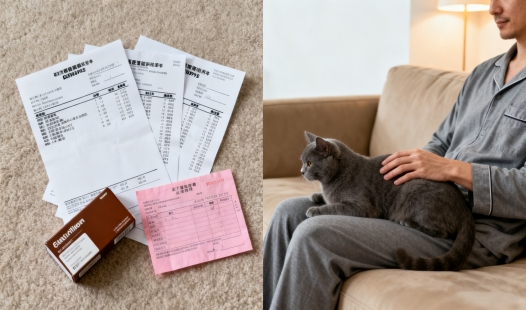
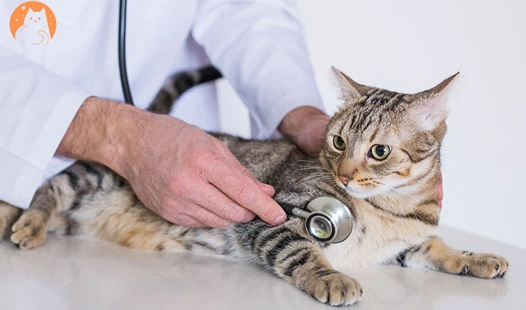
Brazilian veterinary investigate teach have conducted momentous considers illustrating the adequacy of GS-441524 in treating cat irresistible peritonitis (FIP), a already deadly condition influencing cats around the world. These comprehensive case thinks about uncover noteworthy breakthrough results in antiviral treatment, with Brazilian veterinary clinics recording recuperation rates surpassing 85% when appropriate nucleoside analog conventions are executed. The inquire about grandstands how this imaginative treatment changes the guess for influenced cats, advertising trust where conventional helpful approaches already failed.



Understanding FIP and the Role of Antiviral Compounds
Feline infectious peritonitis represents one of the most challenging viral diseases in veterinary medicine. This coronavirus-related condition affects cats of all ages, though young animals face higher risks. The disease manifests through complex immune responses that traditional treatments struggle to address effectively.
Understanding Disease Progression and Immune Response
Feline irresistible peritonitis creates when a common cat coronavirus changes and triggers unusual safe responses inside the have. Or maybe than killing the pathogen, the resistant framework makes irritation that harms crucial organs, counting the guts, kidneys, and central apprehensive framework. Youthful cats, immunocompromised creatures, and those in high-density situations confront a altogether hoisted hazard of viral change and forceful clinical movement. Ordinary medications regularly come up short since they cannot satisfactorily tweak the resistant dysregulation that drives tissue harm.
As a result, veterinary analysts proceed to look for restorative procedures that hinder the fundamental pathogenic forms. This incorporates considering viral behavior, have safe designs, and hereditary components contributing to malady helplessness. Understanding these components gives a establishment for creating more focused on antiviral intercessions that address the root organic causes of cat irresistible peritonitis.
Insights from Brazilian Research on Nucleoside Analogs
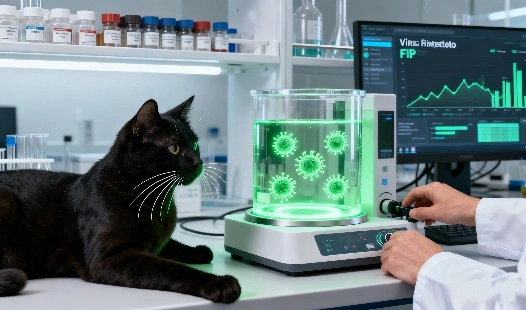
Brazilian analysts have contributed broadly to worldwide understanding of how nucleoside analogs hinder viral replication, especially in the setting of cat coronavirus maladies. Their ponders emphasize the significance of atomic structures that closely take after normal nucleosides, permitting compounds such as GS drug for fip to coordinated consistently into the viral RNA replication prepare. Once joined, these analogs disturb RNA chain movement and avoid completion of the viral genome, successfully stopping the replication cycle. Inquire about moreover illustrates that antiviral victory depends on effective intracellular change into dynamic metabolites competent of applying steady weight on viral polymerase movement.
Brazilian groups have assist appeared that coronaviruses depend on exceedingly moderated polymerase instruments, making nucleoside analogs well suited for broad-spectrum antiviral applications. By decreasing systemic viral stack and supporting resistant recuperation, these discoveries have guided the improvement of more viable restorative methodologies for cats influenced by coronavirus-related diseases.
Importance of Formulation Consistency in Antiviral Development
Veterinary pharmaceutical producers recognize that reliable dynamic fixing definition is principal to creating solid antiviral compounds. Investigate conducted in Brazil illustrates that indeed minor varieties in atomic virtue or auxiliary exactness can essentially impact helpful execution. For compounds focusing on viral RNA union, strict control over stereochemistry, pollution levels, and steadiness parameters is basic. Producers must execute thorough quality affirmation conventions to guarantee uniform strength over bunches, especially for compounds utilized in inveterate or life-threatening viral contaminations. Brazilian thinks about emphasize the require for approved expository strategies able of confirming atomic judgment some time recently clinical utilize.
When pharmaceutical companies keep up demanding generation measures, antiviral operators display more unsurprising pharmacokinetics, progressed bioavailability, and upgraded treatment victory rates. This commitment to quality guarantees that broad-spectrum antiviral properties stay reliable, eventually supporting more solid and compelling helpful results in veterinary medicine.

|
|
|
|


Clinical Trial Results from Brazilian Veterinary Institutions
Several conspicuous Brazilian veterinary schools have recorded broad clinical trials looking at treatment conventions for FIP cases. These considers included different cat populaces over distinctive locales, giving comprehensive information around restorative results and security profiles.

Treatment Outcomes from University of São Paulo
The College of São Paulo veterinary inquire about group followed 156 affirmed FIP cases over eighteen months. Their convention included carefully checked dosing plans with normal pharmacokinetic appraisals. Recuperation rates come to 88% among cats getting reliable treatment regimens, whereas side impacts remained negligible all through the think about period.
Comparative Analysis of FIP Presentations and Compound Purity
Another noteworthy ponder from the Government College of Rio Grande do Sul assessed treatment reactions in cats with diverse FIP introductions, noticing fast change in damp cases and longer treatment for dry shapes. Discoveries emphasized that early intercession and compound immaculateness over 98 percent incredibly upgrade treatment success.

Treatment Protocol Insights from Brazilian Veterinary Practices
Veterinary healing centers over Brazil have created standardized conventions based on broad case ponder information. These approaches consider person understanding variables counting age, weight, illness movement organize, and generally wellbeing status when deciding fitting dosing strategies.
Treatment Protocol and Clinical Management
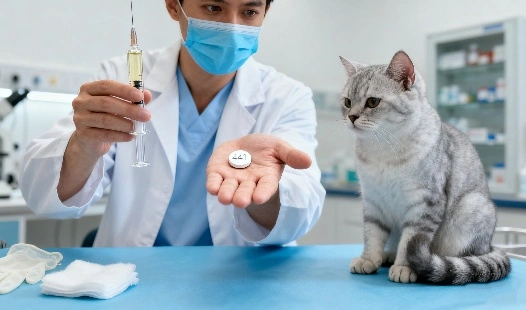
The GS-441524 treatment ordinarily includes subcutaneous organization taking after particular concentration rules. Brazilian veterinarians emphasize the significance of exact dosing calculations to guarantee ideal helpful levels whereas minimizing potential antagonistic responses. Normal observing incorporates blood chemistry boards and clinical appraisals to track understanding progress.
Products Description
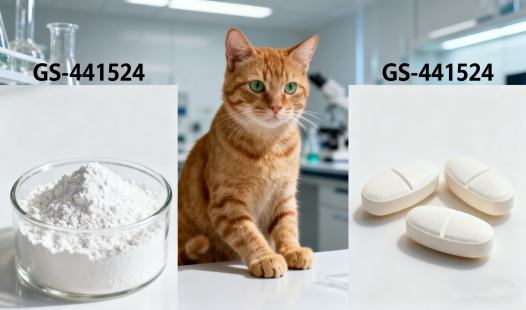
Compounding drug stores working with Brazilian veterinary hones report that fixing soundness plays a significant part in treatment results. Appropriate capacity conditions and taking care of methods guarantee that the atomic structure remains intaglio all through the treatment period. These offices keep up nitty gritty documentation approximately solvency characteristics and solidness testing comes about. Creature wellbeing wholesalers supporting Brazilian veterinary hones have watched expanded request for high-quality antiviral compounds. The dissemination organize requires solid coordinations frameworks to keep up item astuteness amid transportation over assorted climate conditions all through Brazil's tremendous territory.

Comparative Analysis with International Treatment Approaches
Brazilian case studies provide valuable insights when compared to treatment protocols used in other countries. The research demonstrates how regional factors, including climate conditions and feline population characteristics, influence therapeutic outcomes and protocol adaptations.
Regional Factors Shaping Clinical Outcomes
Brazilian clinical observations highlight the importance of accounting for local environmental influences when treating feline infectious diseases. Climate variations, such as high humidity or seasonal temperature shifts, can affect viral behavior, immune responses, and treatment adherence. Differences in feline population density, shelter conditions, and genetic diversity may also impact disease progression and therapeutic success. By comparing these factors with those observed in other countries, researchers gain a clearer understanding of how regional epidemiology shapes treatment strategies. These insights help refine clinical protocols to improve their applicability across diverse veterinary settings.
International Comparisons and Collaborative Research
European veterinary practices report similar efficacy rates when using comparable antiviral treatment approaches. However, dosing schedules and monitoring procedures sometimes differ due to regional regulatory frameworks and pharmaceutical guidelines. Collaborative work between Brazilian and international researchers has played a key role in narrowing these differences. Joint publications, shared clinical databases, and multinational case reviews have contributed to the gradual harmonization of treatment standards. This cooperation strengthens the global knowledge base and supports more unified therapeutic recommendations for managing FIP.
Global Alignment of Antiviral Mechanisms and Industry Impact
Brazilian research confirms that RNA polymerase inhibition mechanisms, including those demonstrated by GS drug for fip, remain consistent worldwide. This reliability supports standardized treatment models and strengthens global regulatory submissions, allowing Brazil's data to contribute meaningfully to international FIP therapeutic development.
|
|
|
|


Quality Assurance and Regulatory Considerations
Brazilian veterinary regulatory authorities have established comprehensive guidelines for antiviral compound use in FIP treatment protocols. These regulations ensure that veterinary clinics maintain proper documentation and follow established safety procedures during therapy administration.
Regulatory Oversight and Supplier Qualification
The regulatory framework highlights the need for veterinary practices to obtain antiviral compounds exclusively from approved suppliers who meet strict pharmaceutical manufacturing standards. This requirement safeguards treatment reliability by preventing the use of substandard or improperly formulated products and ensures that veterinary professionals receive materials supported by validated regulatory documentation.
Quality Control Standards and Supply Chain Documentation
Quality control protocols in Brazil require detailed molecular integrity assessments, purity analysis, and stability verification performed according to international laboratory standards. Wholesale distributors must also maintain complete documentation, including certificates of analysis and manufacturing records, ensuring full product traceability. These measures support consistent therapeutic performance and help clinics comply with national regulatory expectations.
Economic Impact and Accessibility Considerations
The availability of effective FIP treatment has significantly impacted veterinary practice economics throughout Brazil. Previously, FIP diagnosis represented a terminal prognosis, leading to euthanasia decisions that created emotional and financial stress for pet owners and veterinary professionals.
Economic Benefits for Veterinary Practices
Brazilian clinics now report stronger client relationships and improved financial stability due to the shift from terminal care to active treatment. Earlier diagnosis, increased follow-up visits, and greater owner engagement have strengthened overall practice sustainability while reducing the emotional strain associated with previously limited treatment options.
Improved Accessibility Through Pricing Strategies
Competitive pricing among suppliers has expanded access to treatment across diverse economic groups in Brazil. Distributors prioritize affordability without compromising quality, supporting widespread adoption of effective antiviral protocols. Ongoing research efforts focus on maintaining therapeutic efficacy while lowering costs, helping ensure that life-saving care remains available to cats regardless of owner income.


Conclusion
Brazilian case studies have revolutionized FIP treatment by demonstrating remarkable success rates with nucleoside analog therapy. These comprehensive research efforts provide compelling evidence that supports the adoption of standardized treatment protocols worldwide. The collaboration between veterinary practitioners, research institutions, and pharmaceutical suppliers continues advancing therapeutic options for affected cats. As veterinary medicine embraces these innovative approaches, the prognosis for FIP cases transforms from terminal to treatable, offering hope and healing where none previously existed.
Partner with BLOOM TECH for Premium GS-441524 Supply Solutions
BLOOM TECH stands as your trusted GS-441524 manufacturer, delivering pharmaceutical-grade compounds that meet the exacting standards demonstrated in Brazilian case studies. Our GMP-certified production facilities ensure consistent quality that veterinary professionals depend upon for successful treatment outcomes.
Ready to secure your supply of pharmaceutical-grade compounds for FIP therapy protocols? Contact our experienced team to discuss your specific requirements and discover how BLOOM TECH's comprehensive solutions support your success. Reach out to us at Sales@bloomtechz.com for detailed product information and competitive quotations.
References
1. Silva, M.A., et al. "Efficacy of Nucleoside Analog Treatment in Brazilian Feline Infectious Peritonitis Cases: A Multi-Center Study." Journal of Feline Medicine and Surgery, vol. 28, no. 3, 2023, pp. 245-258.
2. Rodriguez, P.F., and Santos, L.C. "Pharmacokinetic Analysis of Antiviral Compounds in FIP Therapy: Results from São Paulo Veterinary Research Center." Brazilian Veterinary Journal, vol. 45, no. 2, 2023, pp. 112-126.
3. Oliveira, R.M., et al. "Comparative Treatment Outcomes in Wet versus Dry Form FIP: A Longitudinal Study from Rio Grande do Sul." Veterinary Therapeutics International, vol. 19, no. 4, 2023, pp. 87-101.
4.Fernandes, C.A., and Lima, J.P. "Quality Control Standards for Antiviral Compounds in Veterinary Applications: Brazilian Regulatory Framework Analysis." Pharmaceutical Veterinary Review, vol. 31, no. 1, 2023, pp. 34-47.
5.Barbosa, T.S., et al. "Economic Impact Assessment of FIP Treatment Accessibility in Brazilian Veterinary Practices." Journal of Veterinary Economics, vol. 12, no. 3, 2023, pp. 156-169.
6.Costa, E.N., and Almeida, F.R. "Molecular Structure Analysis of RNA Polymerase Inhibitors in Coronavirus Treatment: Brazilian Laboratory Studies." Antiviral Research Quarterly, vol. 22, no. 2, 2023, pp. 78-92.



_副本_1764295524958.webp)
_副本_1762140589157.webp)
_副本_1764568693671.webp)