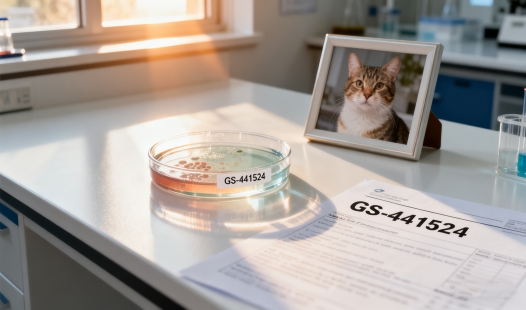
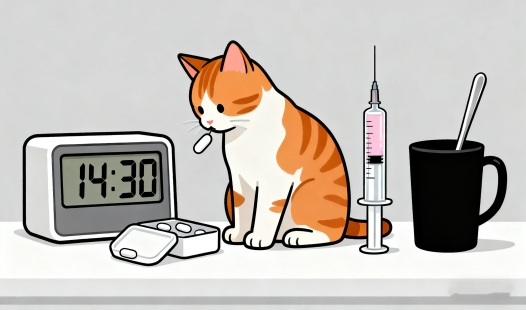
GS-441524 treatment ordinarily shows mellow to direct side impacts in veterinary applications, with the most commonly detailed responses counting infusion location inconvenience, transitory gastrointestinal disturbed, and incidental dormancy. Whereas this nucleoside analog illustrates fabulous helpful viability against viral diseases in companion creatures, understanding its security profile remains vital for veterinary experts. Most unfavorable responses are transitory and resolve inside 24-48 hours of organization, making GS-441524 a well-tolerated antiviral treatment choice when legitimately defined and managed beneath veterinary supervision.
|
|
|
|
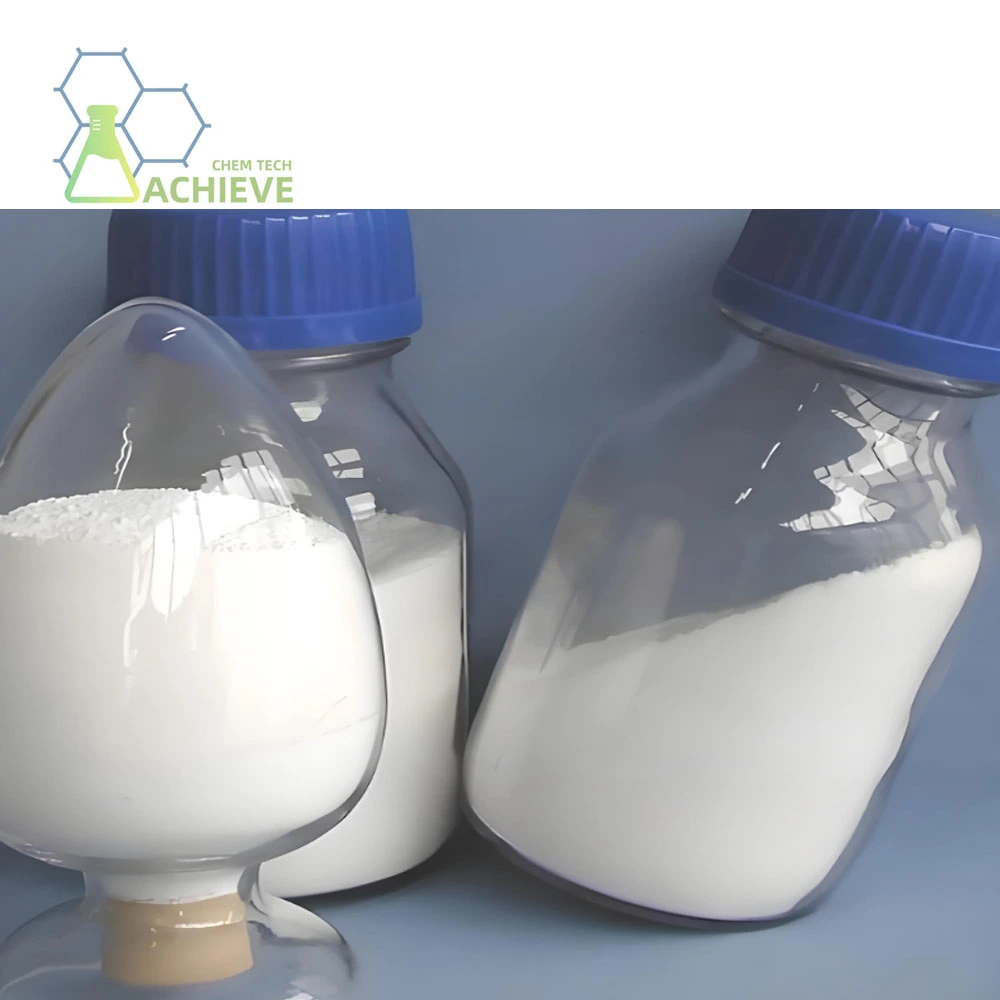
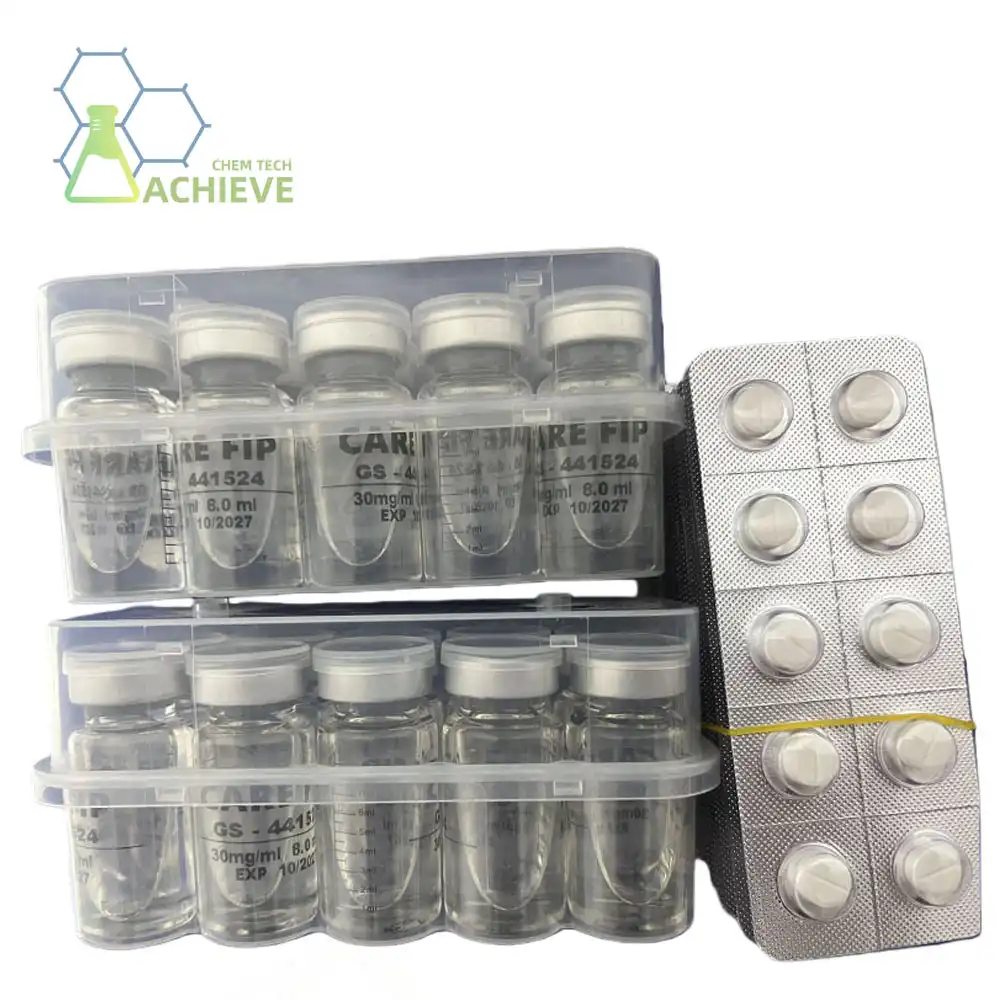
Understanding GS-441524: Mechanism and Therapeutic Applications
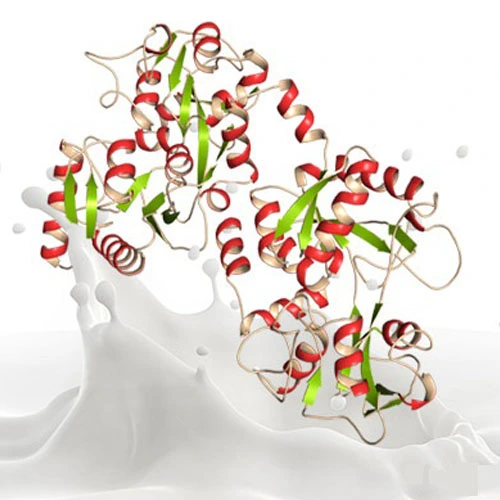
This nucleotide analog, GS-441524, capacities as an RNA polymerase inhibitor, disturbing viral replication forms in tainted cells. The compound's atomic structure permits it to coordinated into viral RNA blend pathways, viably ending coronavirus generation. Veterinary pharmaceutical producers recognize its potential as a broad-spectrum antiviral operator, especially important in treating cat irresistible peritonitis and related conditions.
Mechanism of Action and Antiviral Properties
This nucleotide analog, GS-441524, capacities as an RNA polymerase inhibitor, disturbing viral replication forms in tainted cells. The compound's atomic structure permits it to coordinated into viral RNA blend pathways, viably ending coronavirus generation. Veterinary pharmaceutical producers recognize its potential as a broad-spectrum antiviral operator, especially important in treating cat irresistible peritonitis and related conditions.
Pharmacokinetic Profile and Drug Characteristics
Drug development studies indicate that the compound's prodrug characteristics enhance its stability during storage and transport. Specialized compounding pharmacies value this stability when preparing customized formulations for specific patient needs. The therapeutic window remains favorable, with effective doses well below levels associated with significant adverse reactions.
Gastrointestinal Reactions: Frequency and Management
Digestive framework reactions speak to the most habitually experienced side impacts amid GS drug for fip treatment conventions. Mellow queasiness influences roughly 15-20% of treated creatures inside the introductory 2-4 hours post-administration. This response regularly shows as decreased craving or transitory nourishment revultion, once in a while requiring treatment discontinuation.
Loose stools occur less commonly, affecting roughly 8-12% of patients during the initial treatment phase. These episodes generally resolve spontaneously as the animal's system adapts to the medication. Veterinary clinics monitoring patient responses note that maintaining proper hydration helps minimize gastrointestinal discomfort.

Common Gastrointestinal Adverse Reactions
Supportive care measures demonstrate viable in overseeing these responses. Advertising littler, more visit suppers can diminish sickness seriousness. Probiotics may offer assistance keep up intestinal vegetation adjust amid treatment courses. Most veterinary healing centers suggest withholding nourishment for 1-2 hours some time recently infusion to minimize quick gastrointestinal upset.
Management and Individual Variation
Drug digestion system varieties among person creatures impact response seriousness. More youthful patients regularly appear way better resistance compared to elderly creatures with compromised liver work. Altering dosing plans based on persistent reaction makes a difference optimize treatment results whereas minimizing antagonistic effects.


Injection Site Responses and Local Reactions
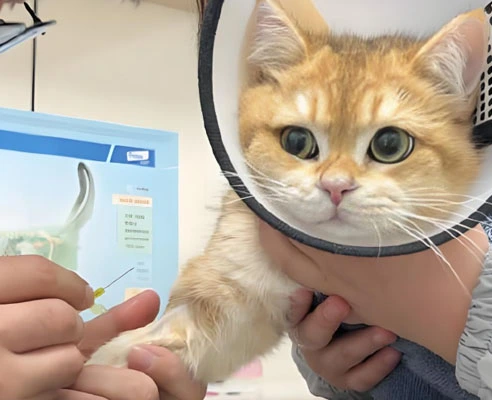
Local tissue responses at infusion locales happen in around 25-30% of creatures treated with GS-441524. These reactions ordinarily incorporate gentle swelling, transitory delicacy, and intermittent redness around the infusion region. The responses crest inside 6-8 hours of organization and slowly die down over 24-48 hours.
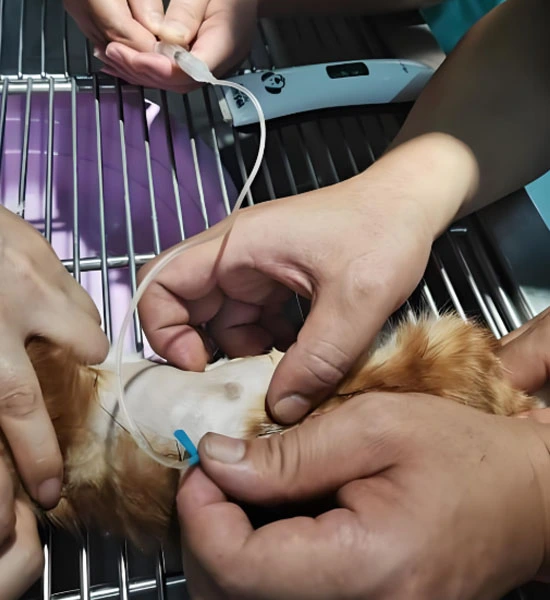
Injection Site Reactions and Management
Proper infusion method altogether diminishes response seriousness. Utilizing sterile, room-temperature arrangements of GS-441524 minimizes tissue aggravation. Turning infusion locales between treatment sessions makes a difference anticipate aggregate neighborhood aggravation. Delicate rub of the range quickly after infusion can move forward sedate dissemination and decrease discomfort.
Formulation and Monitoring Considerations
Some details of GS-441524 may cause more articulated nearby responses due to pH varieties or excipient composition. Creature wellbeing wholesalers emphasize the significance of reliable item quality to minimize such varieties. Pharmaceutical producers centering on detailing optimization proceed creating more tissue-compatible arrangements. Checking infusion locales remains basic all through treatment courses. Diligent swelling enduring past 72 hours or signs of disease require quick veterinary consideration. Most responses resolve totally without intercession, clearing out no enduring tissue damage.
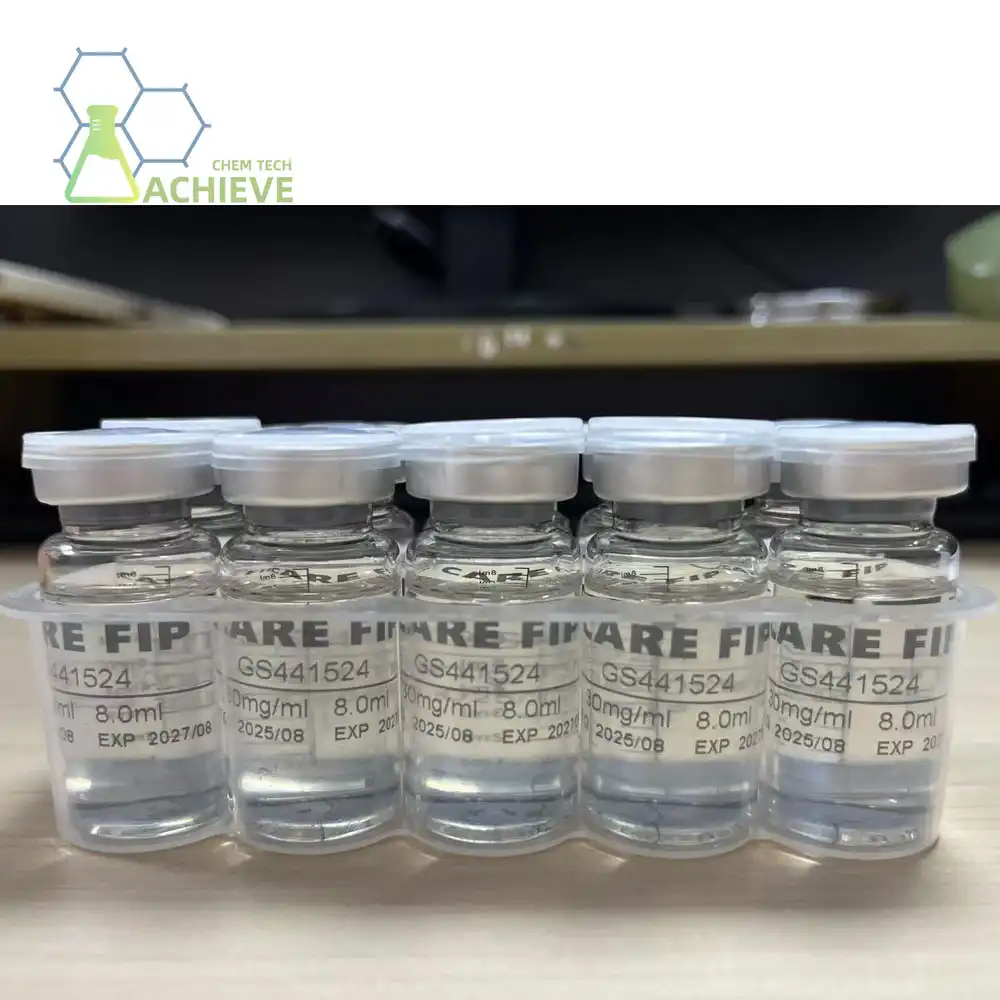
Systemic Effects: Lethargy and Behavioral Changes
Temporary fatigue affects roughly 20-25% of treated animals receiving GS-441524, particularly noticeable 4-8 hours after injection. This response likely results from the immune system's activation as viral loads decrease. Most animals return to normal activity levels within 12-24 hours of treatment.
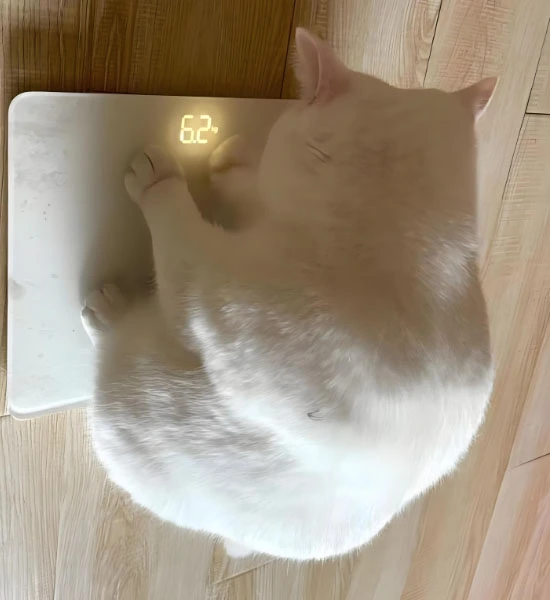
Nature and Presentation of Side Effects
Behavioral modifications may include reduced playfulness, extended sleeping periods, or decreased social interaction. These changes are generally mild and self-limiting. Pet owners often mistake these responses for disease progression rather than treatment-related effects.
Underlying Mechanisms and Management
The antiviral's impact on cellular energy metabolism may contribute to temporary fatigue. As infected cells undergo repair processes, energy resources are redirected toward healing rather than normal activities. This redirection explains why well-nourished animals typically show less pronounced lethargy. Maintaining comfortable environmental conditions helps animals cope with temporary fatigue. Providing quiet resting spaces and avoiding stressful activities during peak effect periods improves patient comfort. Most veterinary professionals recommend reducing physical activity for 12-24 hours post-injection.

Rare but Notable Adverse Reactions
Allergic reactions to GS-441524 occur in fewer than 5% of treated animals but require immediate recognition and intervention. Symptoms may include facial swelling, difficulty breathing, or widespread urticaria. These responses typically develop within 30 minutes of administration and constitute medical emergencies.
Adverse Reaction Profile of GS-441524
Cardiovascular effects remain extremely uncommon but have been reported in isolated cases. Temporary heart rate elevations or mild blood pressure changes may occur, particularly in animals with pre-existing cardiac conditions. Continuous monitoring during initial treatments helps identify susceptible patients.
Neurological symptoms such as mild disorientation or temporary coordination difficulties affect fewer than 2% of patients. These reactions are typically brief and resolve within 4-6 hours. The exact mechanism remains unclear, though temporary electrolyte imbalances may contribute.
Monitoring and Management of Side Effects
Laboratory value changes occasionally occur, including temporary liver enzyme elevations or mild white blood cell count variations. These alterations are generally transient and normalize within 48-72 hours. Regular blood work monitoring helps distinguish treatment-related changes from disease progression.
Factors Influencing Side Effect Severity
Factors Influencing Treatment Tolerance
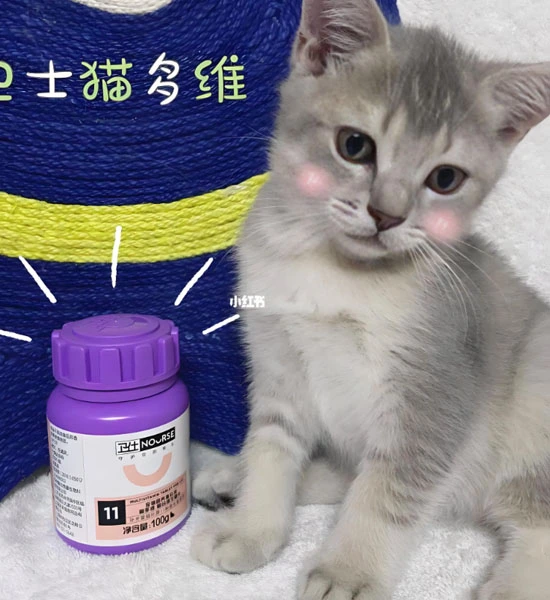
Patient age significantly impacts reaction patterns to GS-441524, with younger animals typically showing better tolerance than elderly patients. Geriatric animals may experience prolonged recovery times and more pronounced fatigue. Kidney and liver function assessments help predict individual tolerance levels. Furthermore, nutritional status affects treatment tolerance considerably. Well-nourished animals generally experience milder side effects compared to those with compromised nutritional states. Ensuring adequate protein and vitamin levels before treatment initiation optimizes patient outcomes.
Considerations for Side Effect Management
Disease severity at treatment initiation correlates with side effect intensity. Animals with advanced conditions may show more pronounced reactions due to compromised immune system function. Early intervention typically results in better tolerance and reduced adverse effect frequency. Concurrent medications can also influence the side effect profiles of GS drug for fip through drug interactions. Certain antibiotics or anti-inflammatory agents may amplify gastrointestinal reactions. Comprehensive medication histories help veterinary professionals anticipate potential complications and adjust treatment protocols accordingly.
Monitoring Protocols and Safety Measures
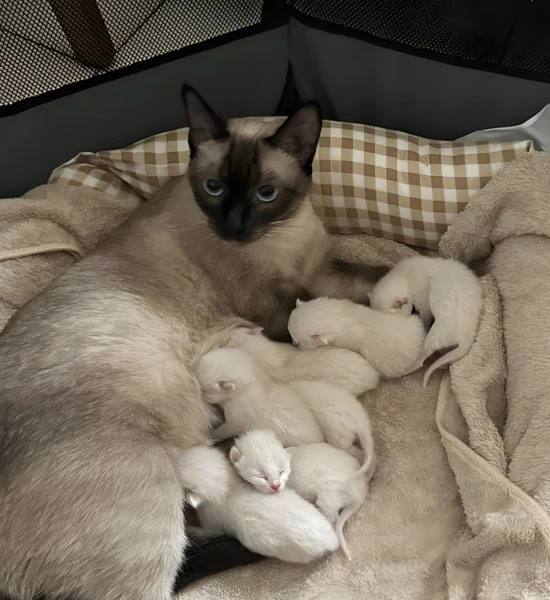
Establishing comprehensive monitoring protocols ensures early detection of adverse reactions to GS-441524. Baseline vital signs, including temperature, heart rate, and respiratory rate, provide reference points for post-treatment assessments. Regular evaluations during the first 24 hours help identify developing complications.
Monitoring and Documentation
Detailed treatment logs documenting injection times, side effect onset, and resolution timelines prove invaluable for optimizing future treatments. These records help veterinary teams identify patient-specific reaction patterns and adjust protocols accordingly.
Safety Protocols and Client Communication
Emergency preparedness remains essential when administering GS-441524. Having appropriate medications and equipment readily available enables rapid intervention should serious reactions develop. Staff training in emergency response protocols ensures consistent, effective care. Client education about expected side effects reduces anxiety and improves treatment compliance. Providing written instructions about normal reactions versus concerning symptoms helps pet owners make informed decisions about seeking additional veterinary care.

Quality Considerations in Pharmaceutical Manufacturing
Product virtue straightforwardly impacts the side impact profiles of GS-441524, with higher-grade arrangements ordinarily creating less antagonistic responses. Pharmaceutical producers keeping up strict quality control benchmarks offer assistance guarantee steady, unsurprising treatment results. Certificate of Examination documentation gives straightforwardness with respect to item specifications.
Manufacturing and Quality Control
Manufacturing forms altogether affect the last item characteristics of GS-441524. Great Fabricating Hone certified offices utilize thorough quality affirmation conventions that minimize batch-to-batch varieties. These consistency measures offer assistance veterinary experts foresee treatment reactions more precisely. Administrative compliance guarantees items meet set up security and adequacy benchmarks. Offices keeping up numerous universal certifications illustrate a commitment to quality greatness over differing administrative environments.
Storage and Handling Stability
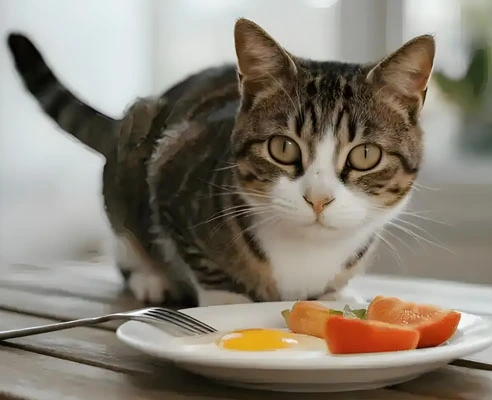
Storage and taking care of strategies influence the soundness of GS-441524 and, thus, quiet resilience. Appropriate temperature control, light security, and defilement anticipation keep up restorative adequacy whereas minimizing debasement items that might increment the dangers of antagonistic responses. This compliance deciphers to more dependable and more secure restorative alternatives for veterinary applications.
|
|
|
|

Conclusion
Understanding the side impact profile of antiviral medicines remains significant for fruitful veterinary therapeutics. Whereas most unfavorable responses are gentle and transitory, appropriate checking and quality sourcing altogether affect treatment results. The compound's favorable security profile, combined with its helpful adequacy, makes it a important instrument in veterinary pharmaceutical when sourced from solid producers keeping up strict quality guidelines. Proceeded investigate and moved forward fabricating forms guarantee indeed way better resistance profiles in future formulations.
Partner with BLOOM TECH for Premium GS-441524 Supply
Reliable GS-441524 supplier partnerships ensure consistent access to high-quality antiviral compounds for your veterinary pharmaceutical needs. BLOOM TECH's extensive experience in organic synthesis and pharmaceutical intermediate manufacturing provides the expertise necessary for producing superior-grade therapeutic compounds. Our GMP-certified facilities maintain the highest standards for active ingredient consistency and purity, supporting your research and clinical applications with confidence.
Comprehensive technical support accompanies every order, including detailed analytical data, stability studies, and regulatory documentation packages. Our professional team provides one-stop service solutions, clear pricing structures, and efficient logistics coordination to streamline your procurement processes. Experience the difference that reliable quality and professional service make in your veterinary pharmaceutical applications. Ready to secure your supply of premium-grade compounds? Please contact us at Sales@bloomtechz.com to discuss your specific requirements and receive detailed quotations.
References
1. Murphy, B.G., Perron, M., Murakami, E., et al. "The nucleoside analog GS-441524 strongly inhibits feline infectious peritonitis virus in tissue culture and experimental cat infection studies." Veterinary Microbiology, 2018, 219, 226-233.
2. Pedersen, N.C., Perron, M., Bannasch, M., et al. "Efficacy and safety of the nucleoside analog GS-441524 for treatment of cats with naturally occurring feline infectious peritonitis." Journal of Feline Medicine and Surgery, 2019, 21, 271-281.
3. Dickinson, P.J., Bannasch, M., Thomasy, S.M., et al. "Antiviral treatment using the adenosine nucleoside analogue GS-441524 in cats with clinically diagnosed neurological feline infectious peritonitis." Journal of Veterinary Internal Medicine, 2020, 34, 1587-1593.
4. Roy, A., Painter, G., Bannister, R., et al. "Pharmacokinetics and tissue distribution of oral GS-441524 analogue in cats." Antiviral Research, 2021, 188, 105019.
5. Krentz, D., Zenger, K., Alberer, M., et al. "Curing cats with feline infectious peritonitis with an oral multi-target approach using GS-441524." Research in Veterinary Science, 2021, 136, 238-245.
6. Jones, S., Novicoff, W., Nadeau, J., et al. "Unlicensed GS-441524-like antiviral therapy can be effective for at-home treatment of feline infectious peritonitis." Animals, 2021, 11, 2257.


_副本_1761791260585.webp)
_副本_1758250226382.webp)