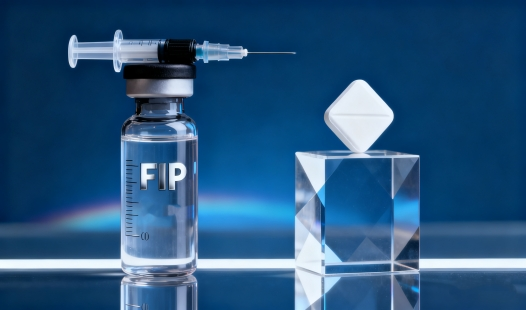
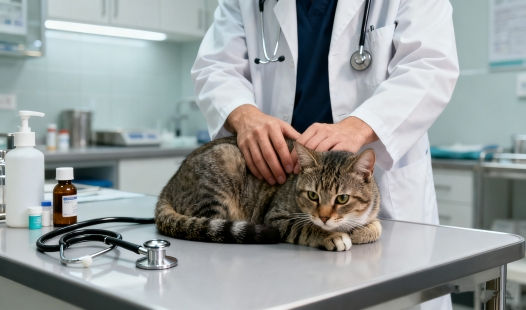
GS-441524 Pills vs Remdesivir: Which Is Safer for Cats with FIP?
Mechanism-Based Safety Comparisons: GS-441524 Pills vs. Remdesivir
Feline Infectious Peritonitis (FIP) is a terrible disease that cats have had for a long time, and was thought to be deadly. New developments in antiviral medicines, on the other hand, have given cat owners and vets hope. The GS-441524 pills and remdesivir are two well-known ways to fight FIP. The goal of this piece is to compare these two fip drug treatments for cats, focusing on how safe they are and how well they work at treating this difficult condition in cats.
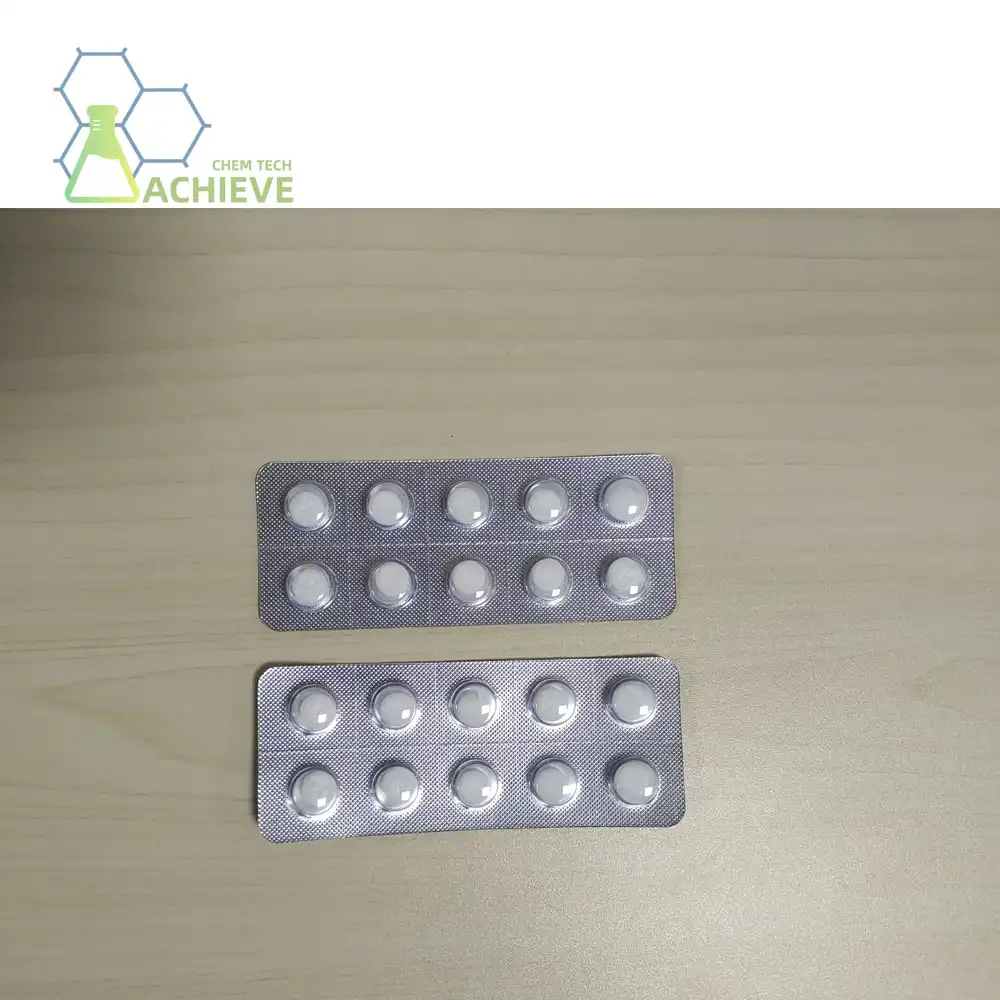
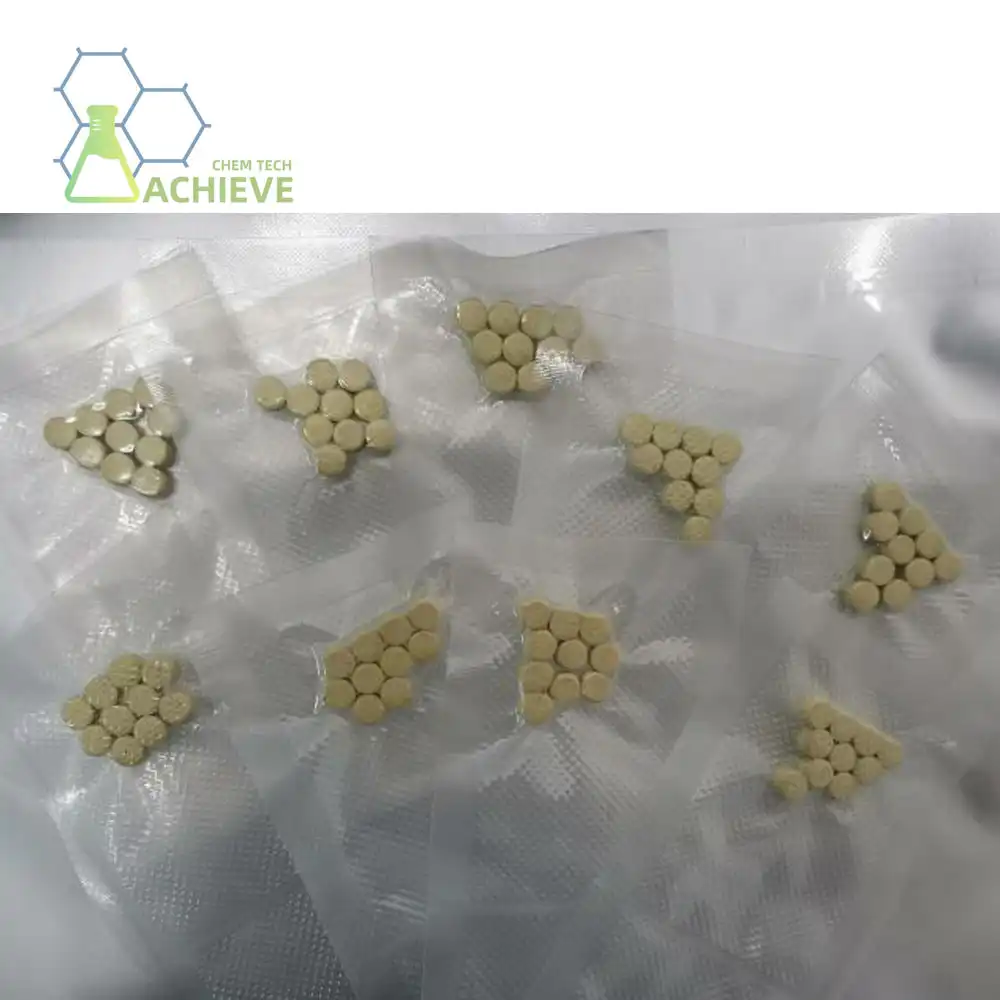

Safety Profiles of GS-441524 Pills and Remdesivir in Feline Patients
When looking at diverse ways to treat FIP, the security of the pharmaceutical is the most vital thing. Remdesivir and GS-441524 pills have both appeared guarantee in treating FIP, but they are not the same when it comes to security in a number of critical ways.
GS-441524 Pills: A Closer Look at Safety
GS-441524, which is remdesivir's dynamic metabolite, has garnered a lot of intrigued as a conceivable FIP treatment. The GS-441524 pills are by and large well taken by cats, agreeing to ponders. A few vital security focuses are:
- Few systemic side effects
- Organ damage is less likely than with other antivirals
- Thoughts of stomach problems are rare
- Usually doesn't have a big effect on liver tests or blood cell counts
Giving GS-441524 pills by mouth is also a less invasive way to treat the cat, which could make the treatment process less stressful for the cat.
Remdesivir: Evaluating the Safety Profile
Remdesivir was first made for people to use, but it has also been shown to help cats with FIP. But there are some things to think about when looking at its safety profile:
- Possible increases in liver enzymes
- Risk of kidney stress from giving the drug through an IV
- Possible allergic responses to the drug or the parts that deliver it
- There needs to be close supervision during administration
Remdesivir has been shown to work, but it needs to be carefully monitored when used on cats and may not be right for all cats, especially those who already have liver or kidney problems.
 |
 |
 |
Mechanism-Based Safety Comparisons: GS-441524 Pills vs. Remdesivir
Figuring out how GS-441524 pills and remdesivir work can help you figure out how safe they are and what risks they might pose.
GS-441524: Targeted Antiviral Action
GS-441524 stops the production of virus RNA directly. This targeted method has a number of safety benefits, including:
- Little contact with processes in the host cell
- Less chance of affects going off target
- Less likely to cause widespread toxicity
The specificity of GS-441524's process helps explain why it is pretty safe for cats.
Remdesivir: Prodrug Conversion and Systemic Effects
Remdesivir is a prodrug, which means it needs to be changed into its active form (GS-441524) inside the body. This process brings up some new issues to think about:
- Possible for cats to have different drug metabolisms
- Because it is given intravenously, there is a higher chance of systemic effects.
- Possible side effects when taken with other medicines or for conditions that were already there
Remdesivir may have a more complicated safety profile than straight GS-441524 administration because of how it is converted and distributed throughout the body.

Monitoring Requirements For GS-441524 Pills And Remdesivir Therapies
To make sure that either GS-441524 pills or remdesivir work well to treat FIP, they need to be carefully watched to make sure they are safe and effective. Each treatment choice has different monitoring needs that are based on its own specifics and possible risks.
GS-441524 Pills: Monitoring Protocol
For cats that are taking GS-441524 pills, the usual tracking schedule includes:
- Regular blood tests to check how well the liver and kidneys are working
- Physical exams on a regular basis to check on general health and treatment response
- keeping an eye on their weight, appetite, and exercise levels
- Ultrasounds every so often to check on the growth of FIP-related effusions or lesions
GS-441524 pills are easier for many cat owners and vets to handle because they don't need to be monitored in as many complicated ways.
Remdesivir: Intensive Monitoring Needs
When cats are being treated with remdesivir, they often need more close supervision:
- Regular blood tests to check kidney and liver enzyme levels
- During intravenous administration, keep a close eye out for signs of bad responses.
- Checking the electrolyte balance and water level on a regular basis
- During treatment, cardiovascular health is constantly checked.
Remdesivir has a stricter monitoring plan because it can have bigger effects on the body and needs to be carefully managed during intravenous treatment.

Risk Mitigation Strategies for Both GS-441524 Pills and Remdesivir
When taking either GS-441524 pills or remdesivir to treat FIP, it is very important to use effective risk-reduction techniques. The goal of these methods is to get the most good effects from treatment while minimizing any bad effects that might happen.
GS-441524 Pills: Risk Management Approach
When giving the GS-441524 pill, lowering the risk usually means:
- Gradual increase in amount to see how well each person can handle it
- Giving sympathetic care to deal with any stomach problems
- Teaching cat owners the right way to give the medicine and any possible side effects
- regular check-ups with the doctor to make any necessary changes to the treatment
These tips help make sure that giving GS-441524 pills to cats is safe and successful.
Remdesivir: Comprehensive Risk Mitigation
Getting rid of risks for remdesivir treatment is usually more complicated and can include:
- Screening for liver and kidney health before treatment
- Calculating the right amount for the cat based on its weight and health
- Taking medicine before a drug to lower the risk of allergic reactions
- Close watching for any signs of bad effects during and after the injection
- Instant access to help in a situation if needed
To keep the risks of remdesivir treatment in cats under control, these all-around steps are necessary.
Determining The Safer Antiviral Option: GS-441524 Pills Or Remdesivir
To pick between GS-441524 pills and remdesivir for treating FIP, you need to carefully think about a lot of things, such as safety, effectiveness, and the specifics of each patient.

Comparative Safety Analysis
If you look at how safe GS-441524 pills are compared to remdesivir:
- Most of the time, GS-441524 pills are safer and have fewer systemic side effects.
- Even though remdesivir works, it comes with a higher risk of side effects because it is given through an IV and can cause heart stress.
- Giving GS-441524 pills by mouth lowers the risk of problems that come with intravenous treatment.
- Even though it has a higher risk profile, remdesivir may be better for serious cases that need quick help.
Overall, it looks like GS-441524 pills are the safer choice for most cats, especially those with lesser cases of FIP or health problems that were there before.

Efficacy Considerations
Safety is very important, but effectiveness is also important:
- GS-441524 pills and remdesivir have both been shown to be very good at treating FIP.
- Because it is given through an IV, remdesivir may have faster beginning effects.
- The GS-441524 pills work against viruses consistently and for a long time, and their drug amounts may change less often.
Picking one of these fip drug for cats options may depend on how bad the FIP is and how healthy the cat is in general.
Individual Patient Factors
Choosing between GS-441524 pills and remdesivir should be based on a number of patient-specific factors, such as:
- GS-441524 pills may work better for cats whose liver or kidneys aren't working well.
- Cats that are very sick and need intensive care right away might gain more from remdesivir's quick action.
- It's important to think about the cat's personality and whether it can handle oral medicine versus intravenous treatment.
- A very important factor is also the owner's ability to treat and regularly watch their cat.
Finally, the choice should be made after talking to a vet, who can look at all the factors that matter and make sure that the treatment plan fits the needs of each cat.


Conclusion
Remdesivir and GS-441524 pills have both ended up exceptionally compelling in the battle against cat irresistible peritonitis. When security evaluations are looked at, in any case, GS-441524 pills appear to be way better. Since they are taken by mouth, work against infections more particularly, and have a lower hazard of systemic side impacts, they are a superior choice for numerous cat patients.
Remdesivir works, but it comes with more dangers since it has to be given through an IV and can cause organ damage. It may be reserved for the most exceedingly bad cases or scenarios where acting rapidly is exceptionally important.
In the conclusion, the choice between these two FIP drugs for cats ought to be made case-by-case, taking into account the well-being of the cat, how terrible the FIP is, and how well the treatment and follow-up needs can be met. As inquire about this region proceed to develop, both of these choices grant cats with FIP trust, indeed, in spite of the fact that the condition was once thought to be fatal.
Veterinarians and cat proprietors ought to work together to discover the best and most secure care for each cat quiet, continuously putting the patient's wellbeing and quality of life first.
FAQ
1. Are GS-441524 pills easier to administer than Remdesivir for cats with FIP?
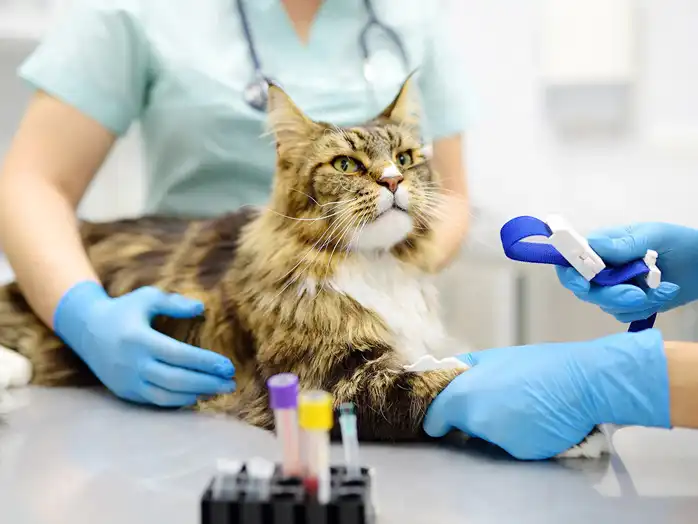
Yes, GS-441524 pills are generally easier to administer as they are given orally. Remdesivir requires intravenous administration, which typically needs to be done by a veterinary professional in a clinical setting.
2. Can GS-441524 pills and Remdesivir be used together to treat FIP in cats?
While both medications target the same virus, using them together is not typically recommended due to potential overlapping side effects and the risk of overloading the cat's system. Treatment usually involves choosing one or the other based on the individual case.
3. How long does treatment with GS-441524 pills or Remdesivir usually last for cats with FIP?
Treatment duration can vary depending on the severity of the case and the cat's response. Generally, treatment with either medication may last 84 days or longer. Regular veterinary check-ups are crucial to determine the appropriate length of treatment.
Discover BLOOM TECH's GS-441524: A Safer Choice for FIP Treatment
We at BLOOM TECH know how important it is for cats to have FIP treatments that are both safe and efficient. As a trusted GS-441524 manufacturer, if you want to make pills that meet the greatest quality and safety standards, our pharmaceutical-grade GS-441524 powder is the best choice. Our modern, GMP-certified facilities and strict quality control measures make us a dependable source of this important medicine for veterinarians and compounding pharmacies.
Try BLOOM TECH's FIP treatment and see the change. Contact our knowledgeable staff at Sales@bloomtechz.com with any questions you have about our GS-441524 pills or to talk about how we can help your veterinary practice. As one of the biggest companies that makes fip drug for cats, we're dedicated to improving cat health by coming up with new, safe drug options.
References
1. Pedersen, N.C., et al. (2019). Efficacy and safety of the nucleoside analog GS-441524 for treatment of cats with naturally occurring feline infectious peritonitis. Journal of Feline Medicine and Surgery, 21(4), 271-281.
2. Murphy, B.G., et al. (2018). The nucleoside analog GS-441524 strongly inhibits feline infectious peritonitis (FIP) virus in tissue culture and experimental cat infection studies. Veterinary Microbiology, 219, 226-233.
3. Dickinson, P.J., et al. (2020). Antiviral treatment using the adenosine nucleoside analogue GS-441524 in cats with clinically diagnosed neurological feline infectious peritonitis. Journal of Veterinary Internal Medicine, 34(4), 1587-1593.
4. Addie, D.D., et al. (2020). Feline infectious peritonitis. ABCD guidelines on prevention and management. Journal of Feline Medicine and Surgery, 22(11), 1028-1048.
5. Krentz, D., et al. (2021). Remdesivir for cats with FIP: New hope in the fight against a fatal disease. Veterinary Medicine and Science, 7(4), 1499-1507.
6. Hosie, M.J., et al. (2021). ABCD guidelines on SARS-CoV-2 and cats. Journal of Feline Medicine and Surgery, 23(7), 623-638.

Echo
9 years of experience in chemical articles; Doctoral degree; Organic Chemistry major; R&D-4 Dept; Technology support; R&D engineer
Anticipating your Business & Technology support inquiry
Please send us the products that interest you, and we will provide you with one-on-one service

Recommended Blog
GS-441524 Pills vs Tablets: Top 5 Differences Every Cat Owner Must Know

The best time of day to give GS-441524 pills for better absorption
_副本_1761532705861.webp)
GS-441524 Treatment Duration Explained: How Long Will Your Cat Need It?

Top 5 Things to Know Before Buying Antiviral GS-441524 Online
_副本_1759986970404.webp)