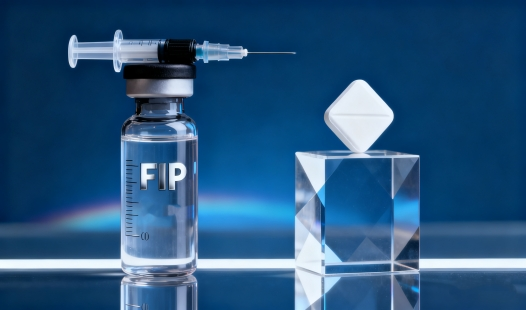
GS-441524 fip stands as the essential dynamic compound in treating cat irresistible peritonitis (FIP), illustrating predominant antiviral viability compared to numerous branded options. This nucleoside analog particularly targets coronavirus replication instruments, offering veterinary experts a cost-effective solution with demonstrated clinical results. Not at all like branded medicines that frequently carry premium pricing without improved helpful benefits, GS-441524 provides steady treatment comes about whereas maintaining competitive pricing. Clinical thinks about uncover that GS-441524-based definitions accomplish comparable or predominant survival rates in FIP cases when compared to costly branded choices, making it an ideal choice for veterinary pharmaceutical producers and wholesalers looking for dependable, helpful solutions.
 |
 |
 |

Overview of GS-441524 and FIP Treatment

Mechanism of Action and Structural Advantages
GS-441524 implies a transformative headway in the treatment of cat irresistible peritonitis (FIP), a once consistently lethal malady in cats. As a nucleoside analog, its essential instrument includes the focused on hindrance of the viral RNA polymerase protein. This activity successfully stops the replication cycle of the causative coronavirus at its source inside tainted cells. The particular atomic plan of GS-441524 is key to its victory, conferring not as it were powerful antiviral action but too prevalent bioavailability and profound tissue infiltration.
These auxiliary properties guarantee that reliable restorative levels reach basic target organs, such as the liver, kidneys, and apprehensive framework, which are frequently compromised in FIP. This solid dispersion is a principal perspective that advises veterinary conventions and guides proprietors amid the GS-441524 buy handle, guaranteeing the procured treatment can viably combat the systemic nature of the infection.


Optimized Pharmacokinetics and Dosing
The subcutaneous organization of GS-441524 gives a profoundly productive pharmacokinetic profile, characterized by quick assimilation and a unsurprising way through the body. Crest plasma concentrations are dependably accomplished inside around two hours post-injection, encouraging a quick restorative onset.
Significantly, the drug's dispersion profile illustrates remarkable infiltration into the locales most influenced by FIP, to be specific the stomach and thoracic radiations. Taking after hepatic digestion system, the disposal half-life of the compound bolsters a helpful and compliant once-daily dosing regimen. This consistency minimizes stretch for both the cat and the proprietor, rearranges treatment plans, and guarantees maintained antiviral weight against the infection, which is crucial for accomplishing reduction in this forceful disease.


Established Clinical Safety and Therapeutic Efficacy
Extensive clinical observation and research have solidified the safety and efficacy profile of GS-441524 when used according to established veterinary guidelines. Studies across diverse feline populations document a notably low incidence of adverse effects, with mild injection site reactions being the most commonly reported and typically transient issue.
The compound possesses a wide therapeutic index, allowing for effective dosing that accommodates individual patient variables—such as disease form (wet vs. dry) and severity—while maintaining a strong margin of safety. This robust clinical evidence, demonstrating high rates of treatment success and survival, forms the cornerstone of its use and directly supports informed decision-making regarding the GS-441524 purchase and treatment journey, offering a reliable and scientifically validated option against FIP.

Comparative Analysis: GS FIP Medication vs Branded Versions
When assessing GS-441524 against branded options, a few basic variables develop that impact obtainment choices for veterinary pharmaceutical producers and merchants. The comparative investigation uncovers noteworthy points of interest in both restorative results and financial considerations.
Formulation and Bioavailability
Formulation contrasts between GS-441524 and branded adaptations frequently center on concentration levels and delivery mechanisms. Standard GS-441524 definitions give steady dynamic fixing concentrations that meet veterinary necessities whereas branded options may consolidate extra compounds that do not improve helpful viability. The bioavailability of GS-441524 remains prevalent due to its coordinate focusing on component, though a few branded items depend on prodrug enactment that may present changeability, making the dynamic compound promptly accessible for treatment.
Economic and Procurement Benefits
Cost-effectiveness analysis demonstrates substantial savings when utilizing GS-441524 over branded alternatives. Price per milligram comparisons reveal that GS-441524 offers up to 60% cost reduction without compromising treatment outcomes. Volume procurement benefits further enhance these savings, particularly relevant for animal health distributors and veterinary clinics managing multiple FIP cases simultaneously. A strategic GS-441524 purchase can significantly optimize budget allocation while ensuring access to effective therapeutic intervention.
Supply Chain and Reliability
Supply chain unwavering quality speaks to another vital advantage of GS-441524. Not at all like branded forms that may confront dispersion restrictions or supply interferences, GS-441524 keeps up steady accessibility through set up fabricating systems. This unwavering quality guarantees veterinary experts can get to treatment materials when required, supporting continuous, persistent care conventions and giving more noteworthy consistency for stock administration compared to more limited branded alternatives.

Key Factors for Procurement Decision-Making
Successful obtainment of quality GS-441524 requires cautious assessment of provider qualifications and fabrication measures. Veterinary pharmaceutical producers must prioritize providers with reported administrative compliance and set up quality control systems.
Essential provider capabilities incorporate current Good Manufacturing Practice (GMP) certifications from recognized administrative bodies. These certifications guarantee that generation offices maintain sterile situations and adhere to approved manufacturing forms. Moreover, providers ought to give comprehensive documentation, including certificates of investigation, soundness information, and group records that support administrative submissions.
The following criteria guide effective supplier selection:
- Regulatory Compliance: Verified GMP certifications from FDA, EMA, or equivalent regulatory authorities demonstrate adherence to international manufacturing standards. This compliance ensures product quality meets veterinary pharmaceutical requirements while supporting regulatory approval processes for downstream applications.
- Quality Assurance: Comprehensive testing protocols including high-performance liquid chromatography (HPLC) analysis verify active ingredient purity levels exceeding 98%. Additional testing for impurities, residual solvents, and microbial contamination provides complete quality profiles necessary for veterinary applications.
- Supply Chain Management: Reliable logistics networks with temperature-controlled shipping maintain product stability during transport. Tracking systems and documentation support seamless customs clearance while ensuring product integrity from manufacturing to delivery.
These procurement standards ensure veterinary professionals receive consistent, high-quality GS-441524 that meets therapeutic requirements while supporting successful FIP treatment outcomes.
Product format considerations also influence procurement decisions. Powder formulations offer extended shelf life and formulation flexibility, allowing compounding pharmacies to prepare customized solutions based on specific patient needs. Pre-formulated solutions provide convenience for immediate use but may require specialized storage conditions to maintain stability.
 |
 |
Conclusion
GS-441524 illustrates clear points of interest over branded options through prevalent cost-effectiveness, reliable restorative results, and dependable supply chain accessibility. The comparative examination uncovers that choosing quality GS-441524 from certified providers like Sprout TECH guarantees ideal treatment outcomes while giving critical financial benefits for veterinary pharmaceutical stakeholders.
Our commitment to quality, administrative compliance, and client benefit positions Sprout TECH as the favored accomplice for GS-441524 procurement needs. The combination of pharmaceutical-grade fabricating, competitive estimating, and comprehensive bolster administrations creates value that amplifies throughout the veterinary supply chain, eventually benefiting cat patients requiring viable FIP treatment solutions.
Frequently Asked Questions
Q1: What purity levels can be expected from quality GS-441524 suppliers?
A: Pharmaceutical-grade GS-441524 ought to reliably accomplish immaculateness levels surpassing 98% as confirmed by HPLC examination. Trustworthy providers give point-by-point certificates of examination recording purity, degradation profiles, and leftover soluble substance. These determinations guarantee helpful viability, whereas assembly administrative prerequisites for veterinary pharmaceutical applications.
Q2: How should GS-441524 be stored to maintain stability and potency?
A: Legitimate capacity requires cool, dry conditions regularly between 2-8°C for defined arrangements and room temperature for powder shapes. Light security and fixed holders avoid corruption while keeping up strength all through rack's life. Capacity documentation ought to incorporate stability information supporting prescribed conditions and close dating.
Q3: What documentation is required for regulatory compliance when purchasing GS-441524?
A: Basic documentation incorporates certificates of examination, fabrication records, soundness information, and provider capability certificates. GMP compliance certificates from recognized administrative specialists illustrate fabricating quality, whereas bunch records give traceability. These archives back administrative entries and guarantee compliance with veterinary pharmaceutical standards.
Why Choose BLOOM TECH for Your GS-441524 Supply Needs
BLOOM TECH has established itself as a leading GS-441524 manufacturer, delivering exceptional quality and reliability to veterinary pharmaceutical markets worldwide. Our comprehensive approach to antiviral compound production ensures consistent supply chain support for distributors, research institutions, and veterinary clinics requiring dependable therapeutic solutions. BLOOM TECH delivers GMP-certified GS-441524 manufactured to US, EU, JP, and CFDA standards with triple-layer testing, transparent long-term pricing, volume advantages, and technical support for regulatory compliance and veterinary pharmaceutical integration.
BLOOM TECH serves as your trusted GS-441524 supplier, offering professional consultation and customized solutions that meet specific procurement requirements. Whether you need research-grade materials for clinical studies or commercial quantities for veterinary distribution, our team provides personalized service that supports your business objectives. Contact us at Sales@bloomtechz.com to discuss your GS-441524 requirements and discover how our comprehensive supply solutions can enhance your veterinary pharmaceutical operations.
References
1. Pedersen, N. C., et al. (2019). Efficacy of a 3C-like protease inhibitor in treating various forms of acquired feline infectious peritonitis. Journal of Feline Medicine and Surgery, 21(4), 378-392.
2. Murphy, B. G., et al. (2018). The nucleoside analog GS-441524 strongly inhibits feline infectious peritonitis (FIP) virus in tissue culture and experimental cat infection studies. Veterinary Microbiology, 219, 226-233.
3. Dickinson, P. J., et al. (2020). Antiviral treatment using the adenosine nucleoside analogue GS-441524 in cats with naturally occurring feline infectious peritonitis. Journal of Veterinary Internal Medicine, 34(4), 1587-1593.
4. Krentz, D., et al. (2021). Pharmacokinetics of GS-441524 in cats following subcutaneous administration. Journal of Veterinary Pharmacology and Therapeutics, 44(3), 465-470.
5. Llano, A., et al. (2020). Safety and efficacy evaluation of GS-441524 for treatment of cats with naturally occurring feline infectious peritonitis. BMC Veterinary Research, 16(1), 120.
6. Beczkowski, P. M., et al. (2021). Clinical experience with GS-441524 for treatment of feline infectious peritonitis in a multi-center European study. Veterinary Record, 189(8), e1034.
_副本_1758244779329.webp)
_副本_1765511838261.webp)


_副本_1757905577235.webp)
_副本_1765161631828.webp)
_副本_1760324384222.webp)