Can GS-441524 treat all types of FIP (wet/dry/neurological/ocular)
Critical Steps for Diagnosing and Treating FIP Variants
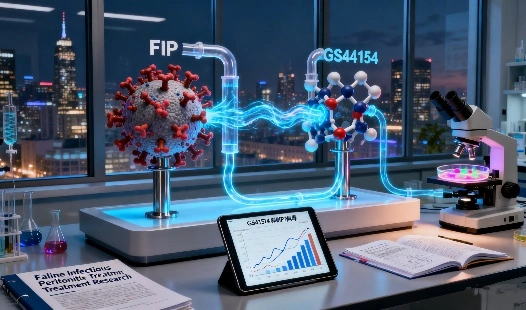
The illness known as feline infectious peritonitis (FIP) is a complicated condition that often results in death and affects cats all over the globe. Researchers and veterinarians have been looking for FIP therapies that are helpful for all of the many types of FIP as veterinary science continues to progress. In recent years, GS-441524 has garnered a lot of interest as a potentially useful chemical. An investigation of whether or if GS-441524 is capable of efficiently treating all kinds of FIP, including wet, dry, neurological, and ophthalmic variants, is detailed in this article.

Restrictions of Single-Form FIP Treatments
Traditionally, treating FIP has been challenging due to its various manifestations. Each form of FIP presents unique obstacles:
Wet FIP Treatment Limitations
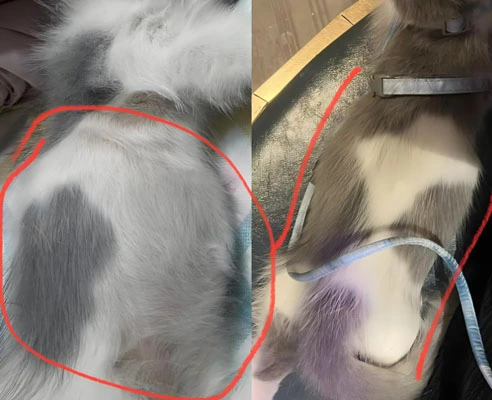
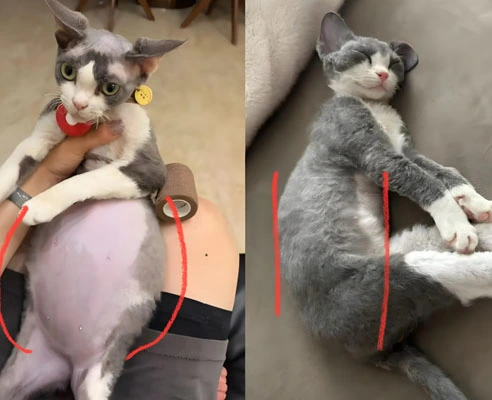
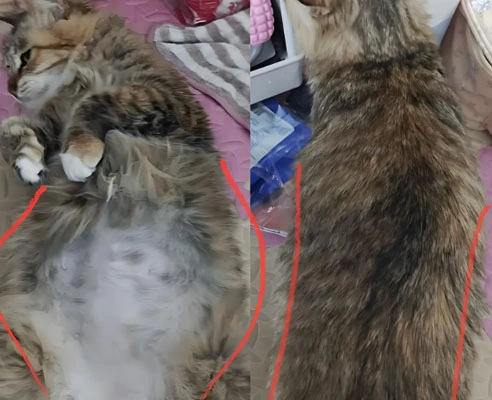
The progression of wet FIP, which is defined by fluid buildup in bodily cavities, often occurs at a fast pace. The primary emphasis of conventional therapy was on the management of symptoms rather than on treating the infectious etiology that was underlying the condition. Both diuretics and anti-inflammatory medications gave some comfort in the short term, but they were not successful in halting the course of the condition.
Dry FIP Management Obstacles to Overcome
The treatment of dry FIP, which is characterized by granulomatous lesions in organs, proved to be considerably more challenging. As a result of the lack of effusion, diagnosis was difficult, and by the time clinical symptoms manifested themselves, the organ damage had often already been significant. At times, immunosuppressive medicines were used; nevertheless, they were associated with severe dangers and had varying degrees of success.
Neurological and Ocular Complications Occurring with FIP
Additional complications were brought about by the neurological and visual manifestations of FIP. As a result of the blood-brain and blood-eye barriers, the efficiency of many treatments was severely restricted, and these types were especially resistant to standard treatments. Inflammation was often treated with steroids, but these medications did not address the viral replication that was the root cause of the condition.

GS-441524 Efficacy Across Diverse FIP Presentations
GS-441524 has emerged as a potential game-changer in FIP treatment, showing promise across various forms of the disease. This nucleoside analog works by inhibiting viral replication, addressing the root cause of FIP rather than just managing symptoms.
Mechanism of Action
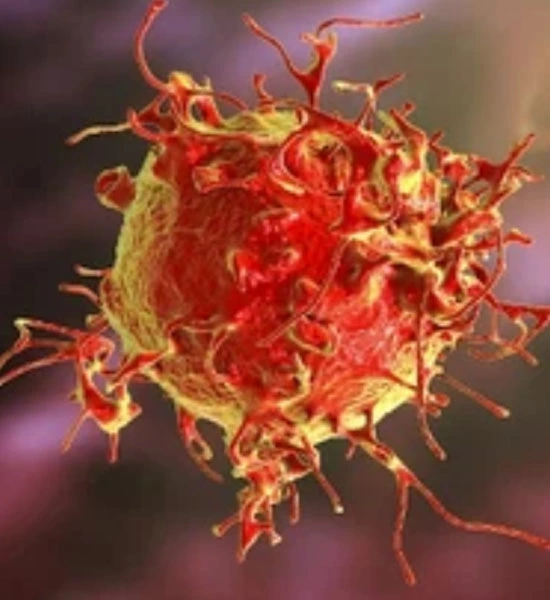
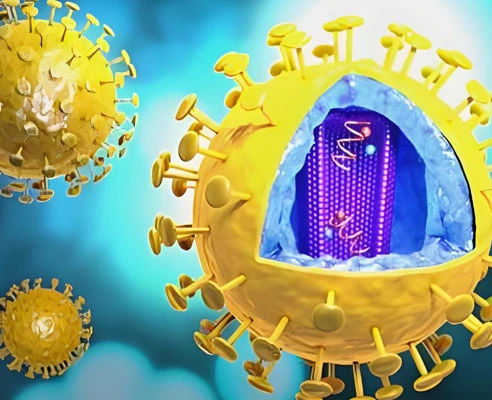
GS-441524 functions as a prodrug, converted within cells to its active form, which interferes with the viral RNA-dependent RNA polymerase. This mechanism effectively halts the replication of the feline coronavirus responsible for FIP, regardless of the specific form of the disease.
Broad-Spectrum Effectiveness
GS-441524 has demonstrated efficacy in treating wet, dry, neurological, and ocular forms of FIP. Its ability to cross the blood-brain and blood-eye barriers makes it particularly valuable for addressing the previously challenging neurological and ocular manifestations.
Comparative Advantages
Compared to earlier treatments, GS-441524 offers several advantages:
- Targeted antiviral action
- Ability to treat multiple forms of FIP
- Reduced side effects compared to immunosuppressive therapies
- Potential for long-term remission or cure
Critical Steps for Diagnosing and Treating FIP Variants
Accurate diagnosis is crucial for effective FIP treatment, regardless of the form. The diagnostic process typically involves:
Comprehensive Physical Examination
It is possible for a comprehensive physical examination to identify symptoms that are unique to the various types of FIP, such as abdominal distension in cases of wet FIP or neurological impairments in cases of neurological FIP.
Testing in the Laboratory
The results of blood tests, such as a complete blood count and serum biochemistry, may show that there is inflammation and organ failure. In some cases, tests like the feline coronavirus antibody titer can help confirm a diagnosis. But these tests do not prove a case for sure on their own.
New techniques for imaging
MRI or CT scans, along with ultrasound and X-rays, may be used in some cases to help see effusions, organ problems, or brain lesions that are connected to FIP.

Therapeutic Outcomes with GS-441524 in Hard FIP Cases
GS-441524 treatment has shown promise in clinical studies and case reports for a number of different types of FIP:
Wet FIP Outcomes
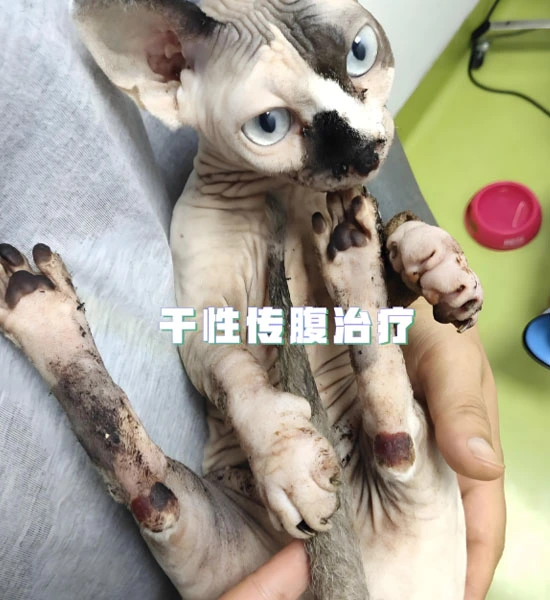
Within the context of wet FIP patients, it has been shown that GS-441524 may effectively decrease effusions and improve clinical symptoms. Following the completion of the therapy program, a significant number of cats have experienced either a long-term remission or an apparent cure.
The response of dry FIP
There has been a steady improvement in organ function and elimination of granulomatous lesions in dry FIP patients that have been treated with GS-441524. There have been reports of considerable favorable results, despite the fact that development may be much slower than with wet FIP.
Successful Treatment of Neurological and Ocular FIP Condition
The most remarkable aspect of GS-441524 is that it has shown effectiveness in treating neurological and ocular FIP, which were previously thought to be almost untreatable forms of the disease. Cats who were treated showed signs of improvement in their neurological problems, and they also showed signs of remission of their ocular diseases.
Clinical Indications for GS-441524 in Multiform FIP
The versatility of GS-441524 makes it a valuable option for treating various FIP presentations:
Tailoring Treatment Protocols
It is possible to modify treatment procedures in accordance with the particular kind of FIP, despite the fact that the fundamental mechanism of GS-441524 stays unchanged. It is possible to modify aspects such as dose, duration, and mode of administration in order to get the best possible results for each individual presentation.
Therapy that is being monitored and adjusted
In order to make treatment choices, it is necessary to do routine monitoring of clinical symptoms, laboratory data, and viral load. Depending on the specific patient's reaction, veterinarians may modify doses or prolong the period of therapy with the patient.
Managing Multiple Symptoms at the Same Time
Even though GS-441524 is designed to treat the underlying viral etiology, supportive care is still very important. Additionally, this may include the administration of fluid therapy, nutritional support, or symptomatic treatment for certain forms of FIP.

Conclusion
GS-441524 has shown great promise in treating all types of FIP, including wet, dry, neurological, and ophthalmic presentations. This includes the clinical manifestations of FIP. Its capacity to penetrate physiological barriers, in addition to its broad-spectrum effectiveness, gives it a potential choice for cats who are plagued by this condition that was previously fatal. Even while more research and studies that follow patients over a longer period of time are still being conducted, the information that is now available shows that GS-441524 may in fact be capable of successfully treating all kinds of FIP.
In order to get the best possible results from any medical therapy, early diagnosis and action are very necessary. When confronted with this difficult condition, cat owners and veterinarians should be watchful for indicators of feline infectious encephalitis (FIP) and need to take into consideration GS-441524 as a potential cure.
FAQ
1. When it comes to all phases of FIP, is GS-441524 effective?
There is evidence that GS-441524 is effective in treating FIP at a variety of phases, including early and severe stages of the illness. Initial intervention, on the other hand, is often associated with improved results. Cats that are in the latter stages of organ failure may have a lower probability of making a full recovery.
2. Generally speaking, how long does the therapy for FIP with GS-441524 last?
The usual duration of therapy for GS-441524 in FIP patients is 84 days, according to the standard protocol. On the other hand, because of their reaction and the particular kind of FIP they are suffering, some cats could need to undergo therapy for a longer period of time.
3. Is there a possibility that the therapy with GS-441524 might cause any adverse effects?
It is possible for some cats to develop modest adverse effects, such as responses at the injection site or gastrointestinal discomfort, despite the fact that the medication is normally well taken. Despite the fact that serious side effects are uncommon, it is important to keep an eye out for them and quickly report them to the veterinarian.
Partner with BLOOM TECH for Quality GS-441524 Supply
At BLOOM TECH, we know how important it is to have high-quality GS-441524 to treat FIP well. We promise to make the best GS-441524 for veterinarians and researchers who save lives by using strict quality control procedures and high standards in chemical synthesis. We have a lot of expertise making organic compounds and pharmaceutical intermediates, so we can provide pure, dependable GS-441524 that satisfies international requirements.
When it comes to FIP treatment, don't settle for less than the best. Choose BLOOM TECH as the company you can trust to make GS-441524 for sale. Our trained staff is ready to provide you individual care and help you with your FIP treatment. Please email us at Sales@bloomtechz.com to talk about your GS-441524 requirements and how we can help you battle FIP.
References
- Pedersen, N.C., et al. (2019). Efficacy and safety of the nucleoside analog GS-441524 for treatment of cats with naturally occurring feline infectious peritonitis. Journal of Feline Medicine and Surgery, 21(4), 271-281.
- Murphy, B.G., et al. (2020). Treatment of cats with feline infectious peritonitis with the nucleoside analog GS-441524. Animals, 10(12), 2287.
- Dickinson, P.J., et al. (2020). Antiviral treatment using the adenosine nucleoside analogue GS-441524 in cats with clinically diagnosed neurological feline infectious peritonitis. Journal of Veterinary Internal Medicine, 34(4), 1587-1593.
- Addie, D.D., et al. (2020). Feline infectious peritonitis. ABCD guidelines on prevention and management. Journal of Feline Medicine and Surgery, 22(11), 1028-1050.
- Krentz, D., et al. (2021). Comparison of the antiviral activities of various nucleoside analogues against feline coronavirus in vitro. Viruses, 13(7), 1327.
- Pedersen, N.C. (2022). An update on feline infectious peritonitis: Diagnostics and therapeutics. The Veterinary Journal, 280, 105787.

Sylvia
3 years of experience in chemical articles; Bachelor's degree; Organic Chemistry major; R&D-4 Dept; Technology support; R&D engineer
Anticipating your Business & Technology support inquiry
Please send us the products that interest you, and we will provide you with one-on-one service

Recommended Blog
_副本_1759986970404.webp)
What are the success rates of GS 441524 treatment for FIP?
Comparing antiviral GS-441524 with molnupiravir and Remdesivir in lab studies
_副本_1763340249271.webp)

Understanding the success rate of GS-441524 based on clinical data
Post-Vaccination Considerations for Cats Receiving FIP Vaccines