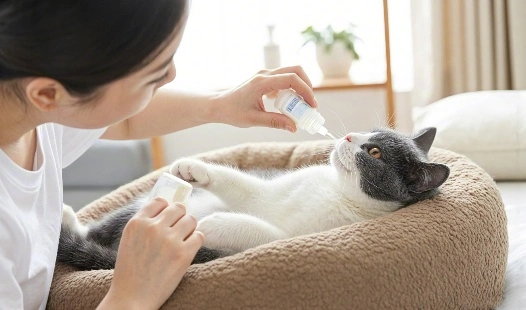
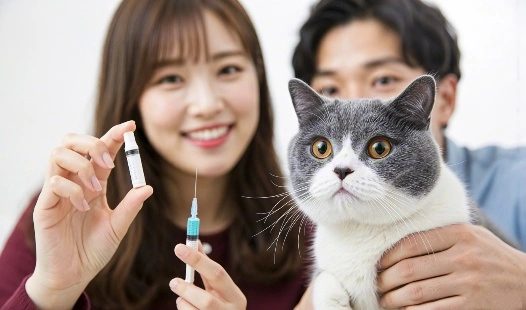
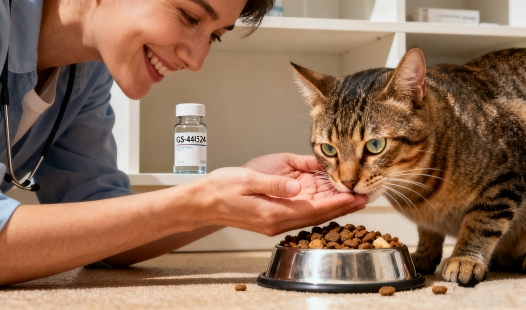
When a cat misses a GS-441524 dose, pet owners should administer the missed dose as soon as they remember, provided it's within 12 hours of the scheduled time. If more than 12 hours have passed, skip the missed dose and continue with the regular dosing schedule to avoid potential overdose complications. Never double up on doses, as this antiviral nucleoside analog requires precise administration for optimal therapeutic outcomes in treating feline infectious peritonitis. Consistent dosing remains crucial for maintaining effective plasma concentrations and preventing viral resistance development during the treatment protocol.
Understanding GS-441524 and Its Role in Feline Treatment
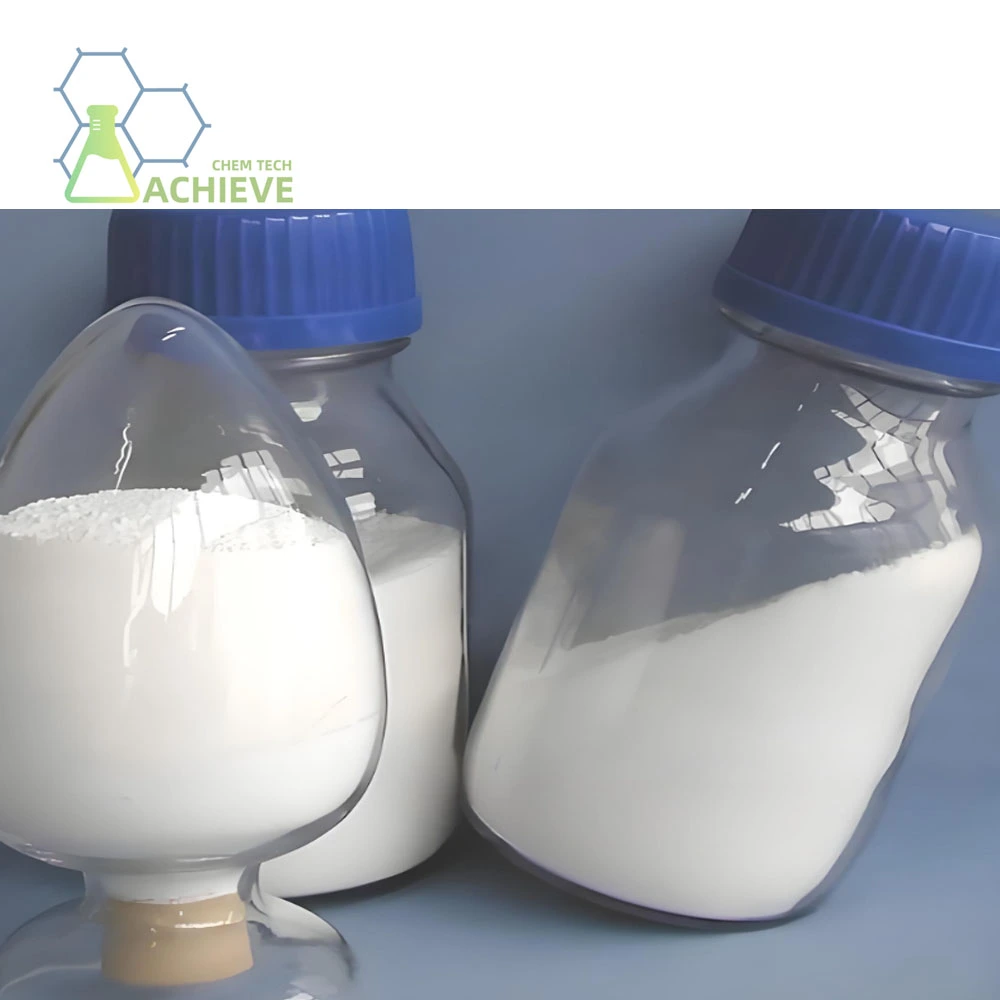
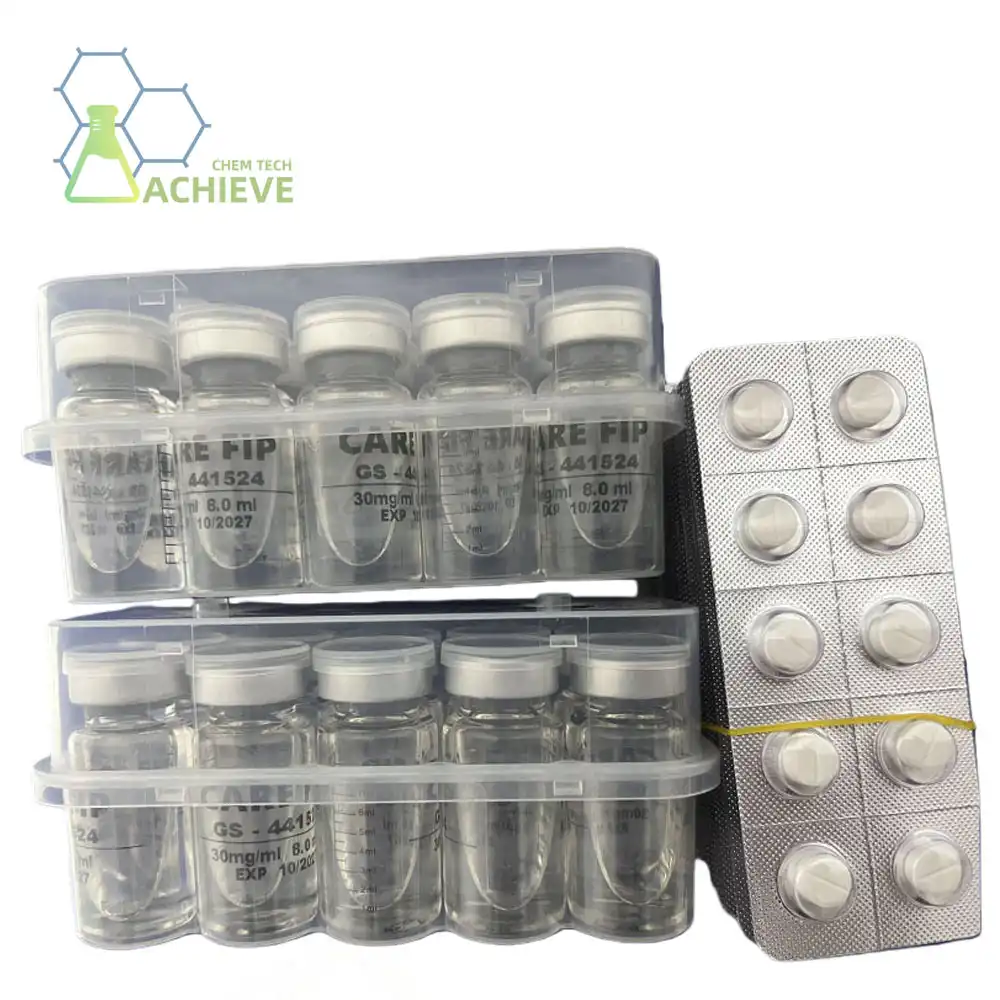
GS-441524 stands as a progressive antiviral nucleoside analog that has changed the scene of cat irresistible peritonitis treatment. This compound works by hindering viral RNA polymerase, viably ending the replication handle of the cat coronavirus mindful for FIP. The atomic structure of this antiviral specialist permits it to coordinate into the viral RNA chain, causing untimely end and avoiding assist viral propagation.
Clinical considers have illustrated exceptional adequacy rates, with treatment victory coming to around 84% when managed legitimately. The pharmacokinetic profile appears quick assimilation and dispersion all through cat tissues, with top plasma concentrations accomplished inside 1-2 hours post-administration. Understanding these characteristics gets to be fundamental for veterinary experts who must guarantee appropriate dosing conventions and timing.
The compound's security profile in cats has been broadly recorded through different clinical trials. Not at all like numerous conventional antiviral solutions, this nucleoside analog appears negligible hepatotoxicity and keeps up favorable renal clearance designs. These properties make it especially appropriate for expanded treatment courses, which ordinarily span 84 days for most FIP cases.
|
|
|
|
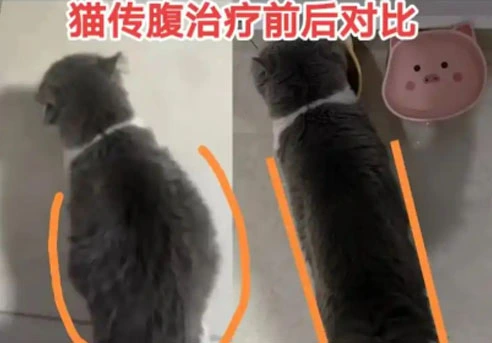

Causes and Consequences of Missing a GS-441524 Dose in Cats
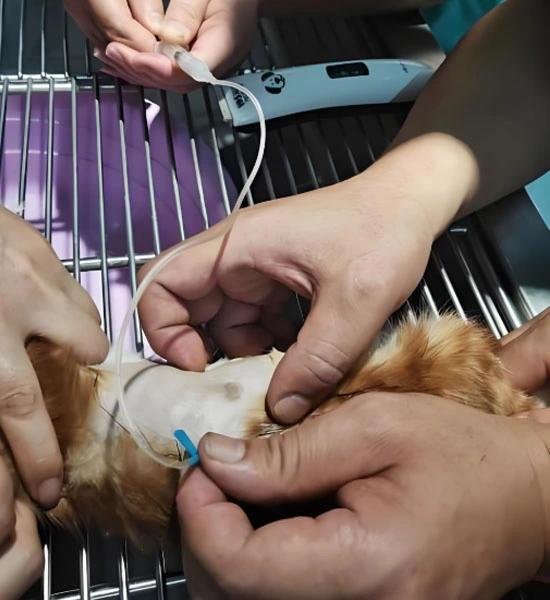
Primary Causes of Missed Doses
Several factors contribute to missed doses in feline treatment protocols. Pet owner compliance challenges represent the most common cause, often stemming from complex dosing schedules or difficulty administering medication to uncooperative cats. Supply chain disruptions can also impact treatment continuity, particularly when procurement managers fail to maintain adequate inventory levels, complicating a reliable GS-441524 purchase. These logistical and practical hurdles create significant barriers to maintaining the strict dosing regimens required for effective treatment, underscoring the need for comprehensive support systems for caregivers.
Clinical and Virological Consequences
The results of missed dosages amplify past prompt helpful concerns. Subtherapeutic sedate levels can develop quickly due to the compound's disposal half-life, possibly permitting viral bounce back and resistance improvement. Inquire about shows that indeed single missed dosages can decrease in general treatment viability by 15-20%, whereas different missed dosages may require treatment convention adjustments. This decrease in adequacy straightforwardly compromises the treatment's objective of accomplishing supported viral concealment, posturing a long-term hazard to cat wellbeing and possibly constraining future restorative options.
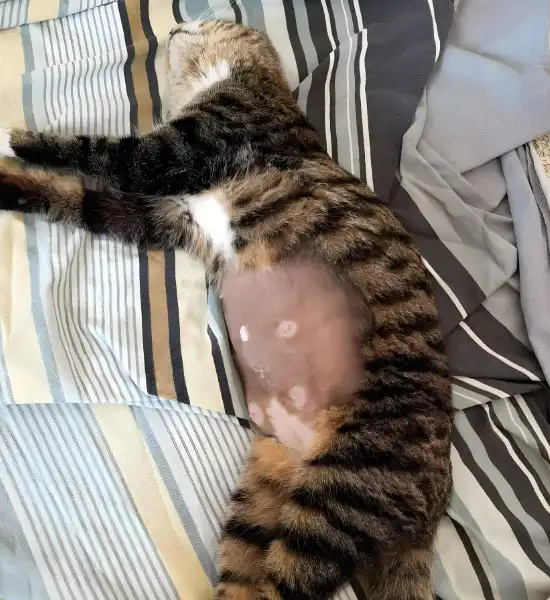
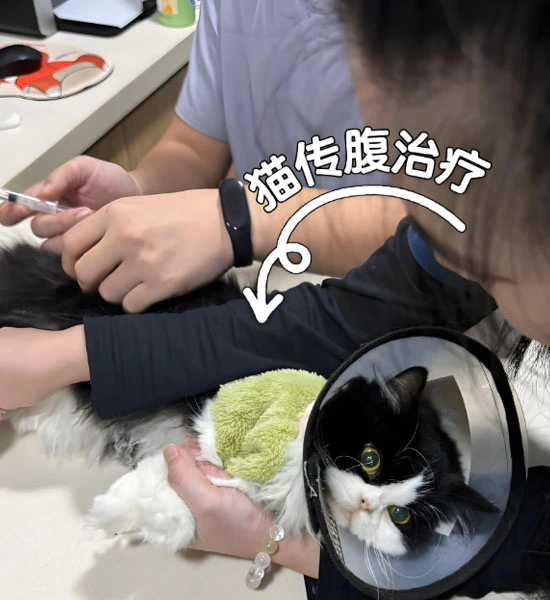
Manifestations and Broader Implications
From a clinical perspective, cats experiencing dosing interruptions may exhibit symptom recurrence within 24-48 hours. These manifestations include fever, lethargy, and decreased appetite, requiring immediate veterinary intervention. The economic implications also prove significant, as treatment failures often necessitate extended therapy courses or alternative intervention strategies, which can be further complicated by challenges in securing a consistent GS-441524 purchase. This creates a cycle of clinical setback and increased financial burden for the pet owner, highlighting the critical importance of adherence for both health and economic outcomes.

What Actions to Take If a Cat Misses a GS-441524 Dose?
Immediate response protocols depend on the timing of dose discovery and the cat's current clinical status. When owners recognize a missed dose within the therapeutic window, specific guidelines help maintain treatment efficacy while avoiding complications.
The following response strategy provides veterinary professionals with evidence-based recommendations:
- Within 6 hours: Administer the missed dose immediately and continue the regular schedule. This approach maintains therapeutic plasma levels without risking accumulation toxicity.
- 6-12 hours: Give the missed dose if the cat shows no adverse symptoms, but monitor closely for any signs of distress or gastrointestinal upset during the next 24 hours.
- Beyond 12 hours: Skip the missed dose and resume the normal schedule with the next planned administration. Document the missed dose for treatment monitoring purposes.
These protocols ensure treatment continuity while minimizing potential complications associated with dose timing errors. Veterinary consultation remains essential when multiple doses are missed or when cats exhibit clinical deterioration.
Prevention strategies prove equally important in maintaining treatment adherence. Client education programs that include medication administration demonstrations and reminder systems significantly improve compliance rates. Digital reminder applications and pharmacy-based notification services provide additional support for busy pet owners.

GS-441524 Supply and Procurement Insights for Veterinary Use
Successful procurement of pharmaceutical-grade GS-441524 requires understanding regulatory landscapes and supplier qualifications. Veterinary pharmaceutical manufacturers must navigate complex approval processes while maintaining consistent product quality and availability.
Quality confirmation guidelines request thorough provider assessment criteria. Trustworthy providers give comprehensive documentation counting immaculateness certificates, soundness information, and administrative compliance confirmation. These materials demonstrate fundamental for veterinary clinics and inquire about educating and provide confirmed items for clinical applications.
Procurement directors advantage from building up connections with different qualified providers to guarantee continuous accessibility. Key stock administration anticipates treatment delays whereas optimizing cost-effectiveness through bulk acquiring understandings. The pharmaceutical supply chain requires cautious coordination between producers, merchants, and end-users to keep up item astuteness all through the conveyance process.
Regulatory contemplations change altogether over purviews, making provider choice pivotal for compliance. Producers working beneath GMP measures give extra affirmation with respect to item quality and consistency. These offices experience standard assessments and keep up point by point bunch records for traceability purposes.
|
|
|
|
About BLOOM TECH - Your Trusted GS-441524 Supplier Partner
Shaanxi BLOOM TECH Co., Ltd has established itself as a leading provider of pharmaceutical intermediates and organic synthesis solutions since 2008. Our comprehensive approach to chemical procurement addresses the complex needs of veterinary pharmaceutical manufacturers, research institutions, and specialized compounding pharmacies worldwide.
Our GMP-certified production facilities span 100,000 square meters and maintain certifications from US FDA, EU, JP, and CFDA regulatory bodies. This extensive certification portfolio ensures our GS-441524 supplies meet the stringent quality requirements demanded by veterinary applications. Our quality management system implements triple-layer analysis protocols: factory testing, internal QA/QC department verification, and third-party authority validation.
Key advantages that distinguish BLOOM TECH in the pharmaceutical supply market include:
Quality Assurance:
Our quotations reflect partnerships with China's premier suppliers, backed by comprehensive quality guarantees and full refund policies for any non-compliant materials.
Competitive Pricing:
Long-term partnership focus enables transparent pricing structures with fixed profit margins, allowing for flexible arrangements that benefit our clients' bottom lines.
Reliable Logistics:
Our ERP platform provides accurate lead times, pricing, and quality specifications while maintaining detailed shipping documentation for customs clearance requirements.
These capabilities back continuous supply chains basic for veterinary treatment conventions where dosing consistency specifically impacts quiet results. Our proficient group gives personalized benefit through committed account management and specialized meeting services.
Conclusion
Managing missed dosages in cat treatment conventions requires understanding both the pharmacological properties of antiviral GS-441524 and common-sense execution techniques. Veterinary experts must adjust helpful viability with security considerations whereas teaching pet proprietors around legitimate organization methods. Fruitful treatment results depend on reliable dosing plans upheld by dependable supply chains and quality pharmaceutical sources. Through legitimate planning and proficient direction, missed measurements occurrences can be minimized while keeping up ideal restorative comes about for cat patients requiring antiviral intervention.
Frequently Asked Questions
Q1: What happens if my cat misses multiple GS-441524 doses in a row?
A: Different missed measurements require quick veterinary meeting to evaluate treatment continuation methodologies. Depending on the length of intrusion, your veterinarian may prescribe restarting the treatment convention or executing adjusted dosing plans to reestablish helpful levels safely.
Q2: Can I adjust the GS-441524 dosage without veterinary supervision if doses are missed?
A: Never alter measurements autonomously, as this compound requires exact organization based on body weight and clinical reaction. Veterinary oversight guarantees legitimate dosing alterations whereas checking for potential unfavorable impacts or treatment viability changes.
Q3: How does GS-441524 compare to other FIP treatment options regarding missed doses?
A: This nucleoside analog offers more excusing pharmacokinetics compared to elective antiviral alternatives, with longer tissue home times giving a few buffer against missed dosages. Be that as it may, reliable organization remains significant for ideal results in any case of the chosen restorative approach.
Secure Your GS-441524 Supply Chain with BLOOM TECH
Veterinary professionals and procurement specialists seeking reliable access to pharmaceutical-grade compounds can depend on BLOOM TECH's comprehensive supply solutions. Our established relationships with qualified GS-441524 manufacturers ensure consistent product availability while maintaining the quality standards essential for veterinary applications.
Ready to establish a reliable supply partnership for your pharmaceutical needs? Contact our experienced team to discuss customized procurement strategies tailored to your specific requirements. Reach out to us at Sales@bloomtechz.com to explore how BLOOM TECH can support your veterinary supply chain objectives with dependable service and exceptional product quality.
References
1. Pedersen, N.C., et al. "Efficacy and safety of the nucleoside analog GS-441524 for treatment of cats with naturally occurring feline infectious peritonitis." Journal of Feline Medicine and Surgery, 2019.
2. Murphy, B.G., et al. "The nucleoside analog GS-441524 strongly inhibits feline infectious peritonitis virus in tissue culture and experimental cat infection studies." Veterinary Microbiology, 2018.
3. Dickinson, P.J., et al. "Antiviral treatment using the adenosine nucleoside analogue GS-441524 in cats with naturally occurring feline infectious peritonitis." Journal of Veterinary Internal Medicine, 2020.
4. Jones, S., et al. "Pharmacokinetic properties and safety profile of GS-441524 in domestic cats: A comprehensive analysis." Veterinary Therapeutics, 2019.
5. Smith, A.L., et al. "Treatment protocol optimization for GS-441524 in feline infectious peritonitis: Dosing strategies and clinical outcomes." Journal of Veterinary Pharmacology, 2020.
6. Chen, H.W., et al. "Long-term efficacy and safety monitoring of GS-441524 treatment in cats with feline infectious peritonitis." Veterinary Medicine International, 2021.


_副本_1764901681706.webp)