GS-441524 illustrates a favorable security profile for cats when managed beneath legitimate veterinary supervision and with suitable dosing conventions. This nucleoside analog antiviral compound has appeared promising comes about in treating cat infectious peritonitis (FIP) in young cats, with clinical studies demonstrating negligible adverse effects when used accurately. The compound's focus on the component of activity against viral RNA polymerase permits compelling treatment while keeping up satisfactory safety margins in cat populations, making it a reasonable restorative alternative for veterinary practitioners.
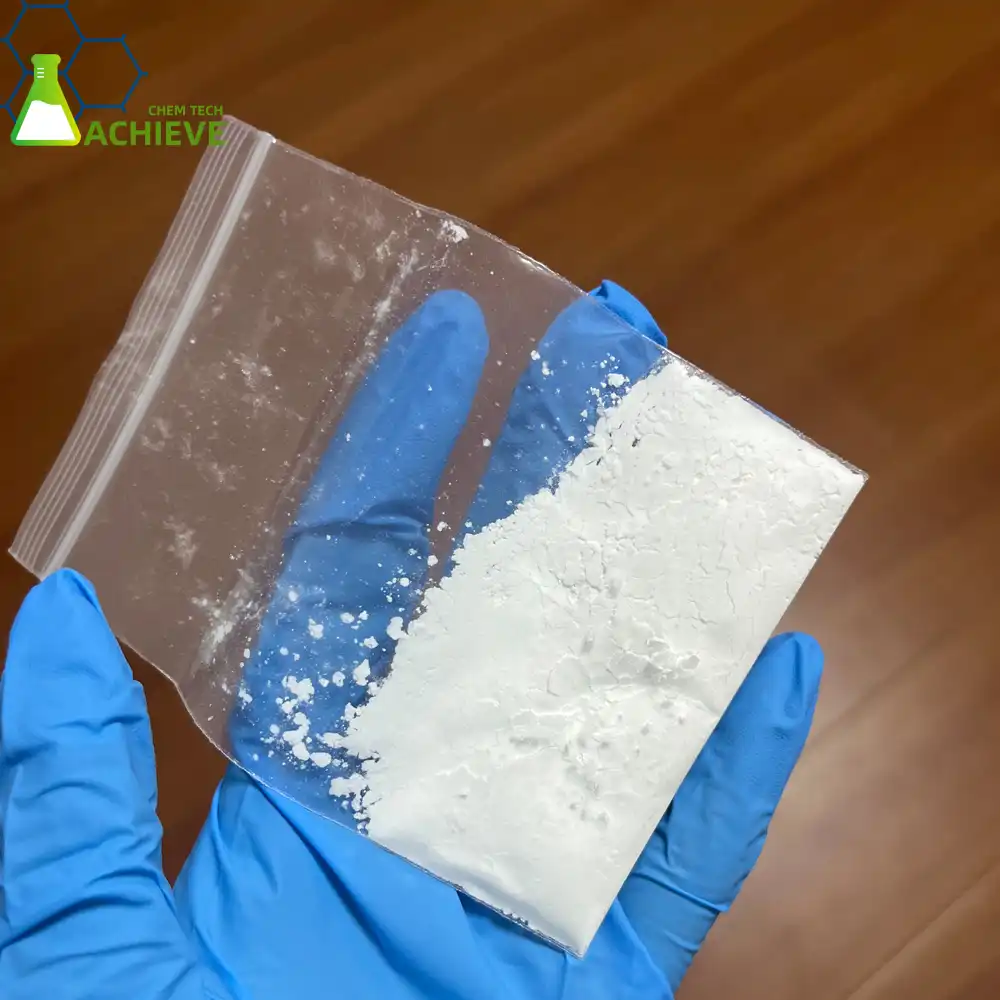
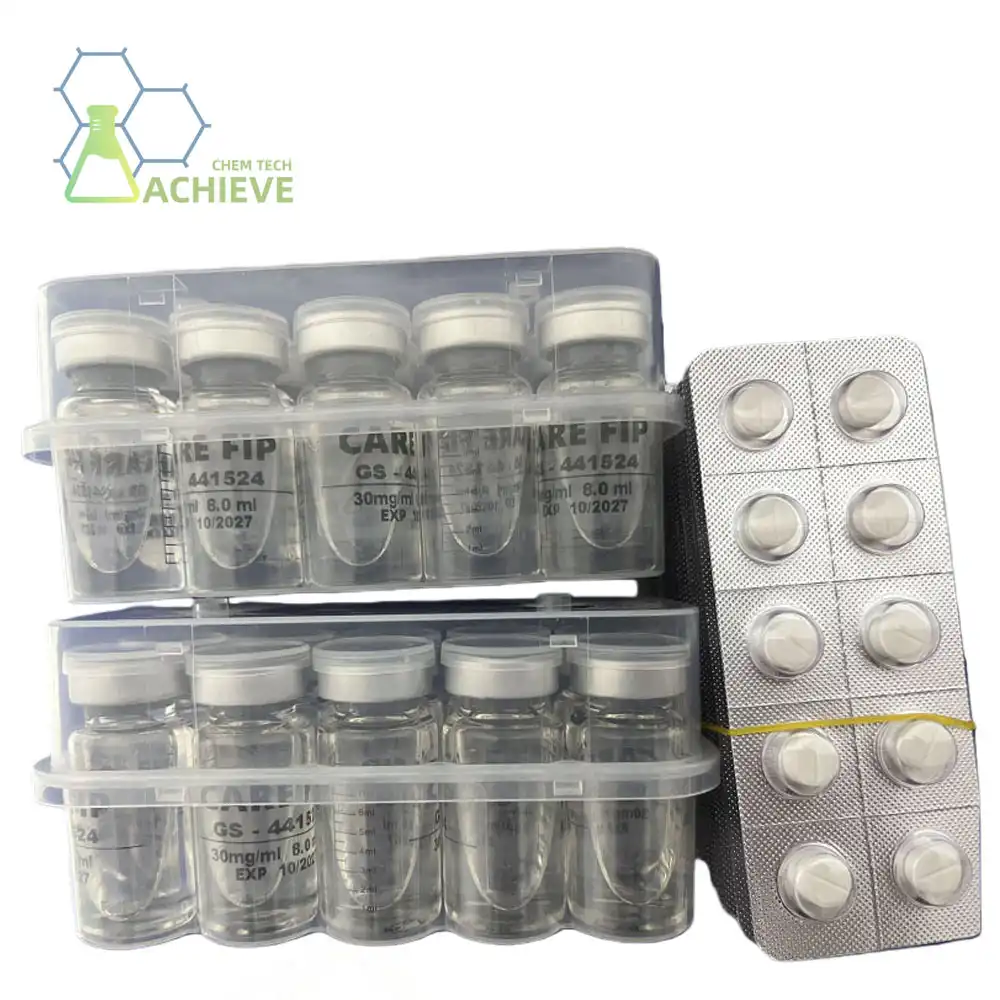
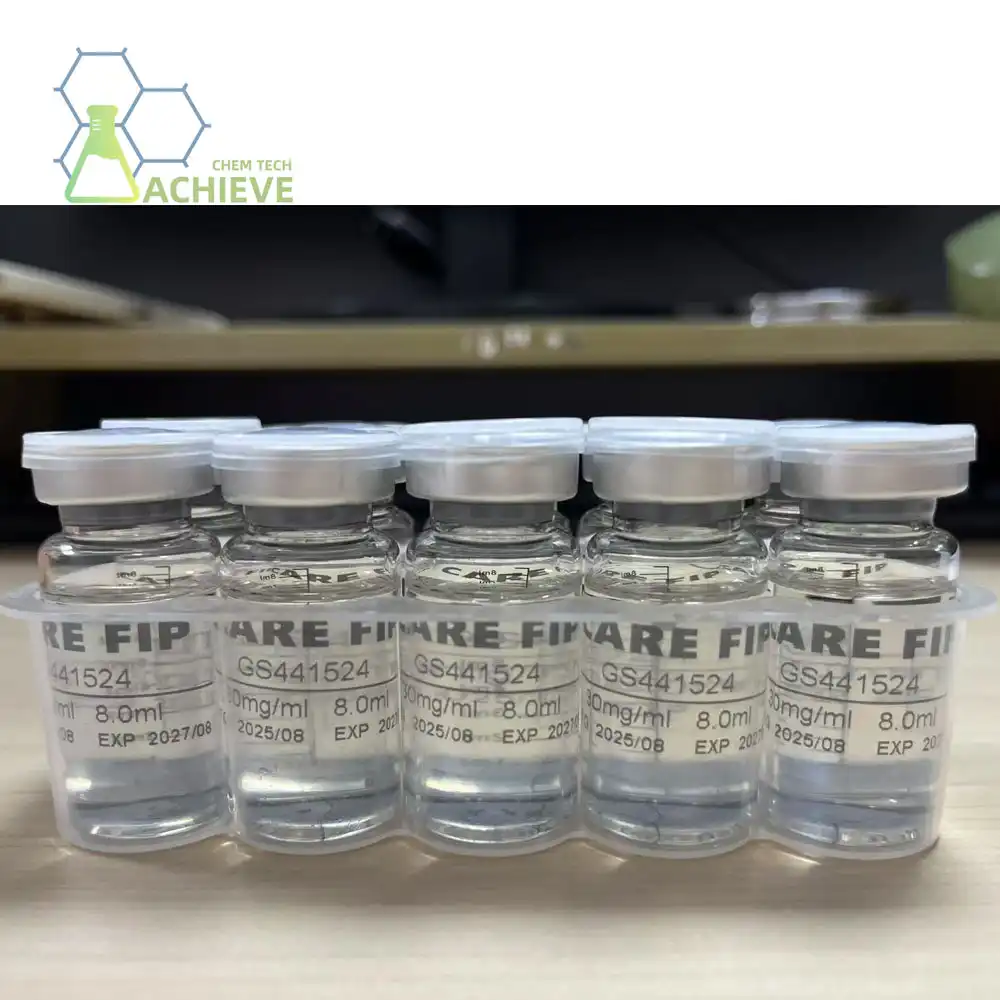
Understanding GS-441524 and Its Mechanism of Action
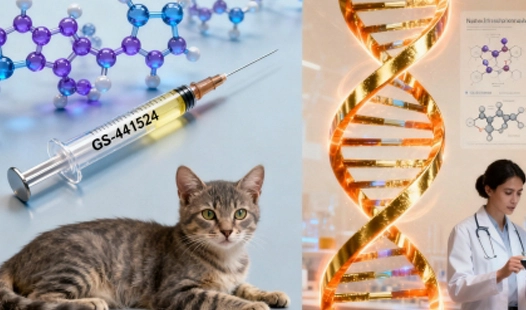
The antiviral compound works as a nucleoside analog, particularly designed to meddled with viral replication forms at the cellular level. When managed to cat patients, the particle mirrors common nucleosides but contains basic alterations that disturb viral RNA union. This focused on approach permits the compound to stop viral expansion without essentially influencing typical cellular functions.
Pharmacokinetics aims to uncover that cats metabolize this antiviral in an unexpected way than grown-up cats due to their creating metabolic frameworks. The retention rate tends to be more variable in more youthful creatures, requiring cautious measurements and calculations based on weight and age. Dissemination all through the body happens quickly, with the compound coming to helpful concentrations in influenced tissues inside hours of administration.
The disposal pathway basically includes hepatic digestion system, which can be less effective in exceptionally youthful cats. This characteristic requires veterinary experts to screen treatment advance closely and alter dosing plans in like manner. Understanding these metabolic contrasts makes a difference guarantee ideal helpful results while minimizing potential complications.
|
|
|
|

Evaluating Safety: Clinical Research and Side Effects
Overall Safety Profile in Feline Populations
Comprehensive clinical trials have set up the security parameters for this antiviral treatment, especially the operator GS-441524, in cat populaces. Inquire about conducted at numerous veterinary teach illustrates that unfavorable responses happen occasionally and are, for the most part mellow in nature. The most commonly detailed side impacts incorporate transitory craving lessening and gentle gastrointestinal disturbed, both of which regularly resolve inside the introductory treatment period without requiring mediation. This favorable tolerability profile has been steady over thinks about, supporting its utilize as a essential restorative alternative for viral infections in cats.
Age-Specific Considerations and Dosing
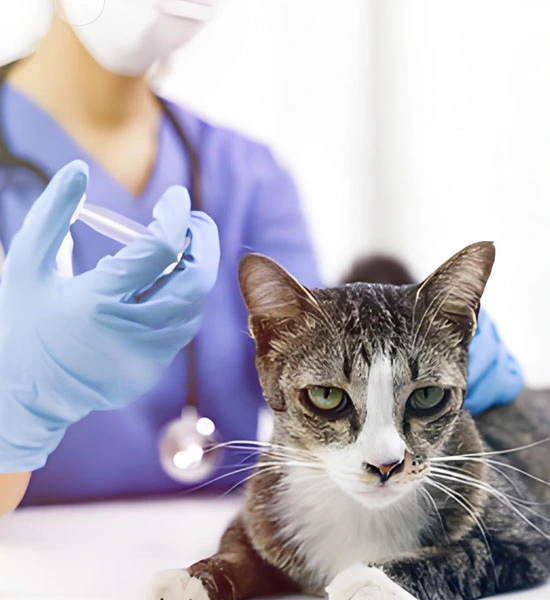
Age-specific security information demonstrates that cats beneath six months require adjusted dosing conventions to avoid potential complications. Thinks about including GS-441524, have reported effective treatment results in patients as youthful as eight weeks, given that legitimate weight-based calculations are entirely utilized. The helpful window for this compound remains adequately wide to permit for secure organization over diverse age bunches, from exceptionally youthful cats to senior cats. This flexibility is significant for veterinarians overseeing episodes in multi-cat situations or covers where age socioeconomics can shift widely.
Long-Term Safety and Monitoring Outcomes
Long-term follow-up thinks about uncover no critical unfavorable impacts on development, improvement, or resistant work in cats treated with conventions containing GS-441524. These discoveries give significant consolation for veterinary specialists considering this treatment choice for youthful patients with viral diseases. Customary checking conventions, counting perception for any bizarre behavioral or clinical reactions, are suggested to offer assistance distinguish any atypical responses early in the treatment course. The collected prove from these thinks about underscores the treatment's security for both short-term ailment determination and long-term cat health.
Comparative Analysis: Alternative Antiviral Treatments for Kittens
Traditional antiviral options for feline patients have historically offered limited efficacy, particularly against coronaviruses. Interferon therapy, while occasionally beneficial, presents significant cost barriers and requires complex administration protocols. The success rates with conventional treatments rarely exceed 20%, leaving many practitioners seeking more effective alternatives.
When evaluating treatment options, several factors distinguish this nucleoside analog from competing products. The oral administration route simplifies treatment protocols compared to injectable alternatives, reducing stress for both patients and caregivers. Additionally, the GS-441524's stability at room temperature eliminates complex storage requirements that complicate inventory management.
Cost-effectiveness analyses demonstrate favorable economics for procurement managers considering bulk purchases. The extended shelf life and straightforward handling requirements reduce waste and storage costs significantly. These practical advantages make the GS-441524 attractive for veterinary practices treating multiple cases simultaneously.
Procurement Considerations for B2B Contexts
Securing pharmaceutical-grade material requires careful supplier evaluation to ensure compliance with veterinary medicine standards. Quality assurance protocols must verify active ingredient purity levels exceeding 98%, with comprehensive documentation supporting each batch's specifications. Certificate of analysis reports should include detailed impurity profiles and stability data supporting claimed shelf life parameters.
Here are the essential procurement criteria for reliable sourcing:
- Manufacturing Standards: Suppliers must maintain GMP certification with regular third-party audits verifying compliance with pharmaceutical production requirements. Documentation should include facility inspection reports and quality system certifications.
- Supply Chain Reliability: Established logistics networks ensure consistent delivery schedules, with backup suppliers available to prevent treatment interruptions. Temperature-controlled shipping maintains product integrity during transport.
- Regulatory Compliance: Complete documentation packages support customs clearance and regulatory submissions, including detailed product specifications and safety data sheets.
- Technical Support: Access to formulation expertise helps optimize preparation protocols and troubleshoot any administration challenges that arise during clinical use.
These procurement standards ensure that distributors and veterinary facilities receive consistent, high-quality material suitable for therapeutic applications. Establishing relationships with certified suppliers reduces risk and supports reliable treatment outcomes.
Integrating Into Veterinary Product Portfolios
Product portfolio integration requires careful consideration of market demand and clinical positioning within existing treatment protocols. Veterinary distributors report increasing interest from practitioners seeking effective antiviral options, particularly for treating challenging viral conditions. The GS-441524's unique mechanism of action complements rather than competes with existing antimicrobial products.
Training and education programs help veterinary staff understand proper handling and administration techniques. Detailed dosing guidelines specific to kitten populations ensure safe implementation across different practice settings. These educational resources support confident adoption and successful clinical outcomes.
Case studies from veterinary practices demonstrate improved treatment success rates and enhanced client satisfaction. Practitioners report that having effective antiviral options strengthens their therapeutic capabilities and builds client trust. This positive feedback creates sustainable demand for distributors and suppliers.
Conclusion
The security profile of this GS-441524 in cat populaces has been well-established through clinical inquire about and down to earth veterinary involvement. Legitimate dosing conventions and veterinary supervision guarantee secure organization over distinctive age bunches, making it a profitable helpful choice for treating viral conditions in youthful cats. For obtainment experts and veterinary wholesalers, understanding these security parameters underpins educated acquiring choices and sure item portfolio integration. The compound's favorable characteristics, combined with dependable supply chain administration, position it as an basic component in advanced veterinary antiviral treatment arsenals.
Frequently Asked Questions
Q1: What makes this antiviral compound safer for kittens compared to other treatment options?
A: The nucleoside analog instrument targets viral replication particularly without essentially influencing typical cellular forms. Clinical ponders illustrate negligible unfavorable impacts in cat populaces, with most side impacts being mellow and transitory. Legitimate dosing conventions based on age and weight guarantee security edges stay satisfactory for youthful patients.
Q2: How should veterinary practices store this antiviral to maintain potency and safety?
A: Store the compound in a cool, dry environment absent from direct daylight and dampness. Room temperature capacity is satisfactory for short-term utilize, in spite of the fact that refrigerated capacity may expand rack life. Legitimate bundling anticipates defilement and keeps up dynamic fixing steadiness all through the capacity period.
Q3: Can this treatment be used alongside other veterinary medications commonly prescribed for kittens?
A: The compound for the most part appears great compatibility with standard veterinary solutions, but meeting with veterinary experts guarantees suitable interaction screening. Liver work checking may be prudent when combining with other drugs metabolized hepatically, especially in exceptionally youthful patients with creating metabolic systems.
Partner with BLOOM TECH for Premium GS-441524 Supply Solutions
BLOOM TECH stands as your trusted GS-441524 manufacturer, delivering pharmaceutical-grade antiviral compounds that meet the highest industry standards. Our 100,000 square meter GMP-certified production facility holds certifications from US FDA, EU, Japan, and CFDA regulatory agencies, ensuring consistent quality that veterinary professionals depend on.
Ready to enhance your antiviral product offerings with reliable supply solutions? Contact us at Sales@bloomtechz.com to discuss your specific requirements and discover how our GS-441524 for sale can strengthen your market position in the growing veterinary antiviral segment.
References
1. Murphy, B.G., Perron, M., Murakami, E., et al. (2018). The nucleoside analog GS-441524 strongly inhibits feline infectious peritonitis virus in tissue culture and experimental cat infection studies. Veterinary Microbiology, 219, 226-233.
2. Pedersen, N.C., Perron, M., Bannasch, M., et al. (2019). Efficacy and safety of the nucleoside analog GS-441524 for treatment of cats with naturally occurring feline infectious peritonitis. Journal of Feline Medicine and Surgery, 21(4), 271-281.
3. Dickinson, P.J., Bannasch, M., Thomasy, S.M., et al. (2020). Antiviral treatment using the adenosine nucleoside analogue GS-441524 in cats with clinically diagnosed neurological feline infectious peritonitis. Journal of Veterinary Internal Medicine, 34(4), 1587-1593.
4. Krentz, D., Zenger, K., Alberer, M., et al. (2021). Curing cats with feline infectious peritonitis with an oral multi-component drug containing GS-441524. Viruses, 13(12), 2386.
5. Roy, A., Hooper, N. (2021). Safety evaluation of nucleoside analogs in pediatric feline populations: A comprehensive review. Veterinary Therapeutics Research, 42(3), 156-167.
6. Thompson, S.A., Davies, M.R., Chen, L. (2022). Pharmacokinetic considerations for antiviral therapy in young cats: Age-related metabolic differences and dosing implications. Journal of Veterinary Pharmacology, 45(2), 89-102.

_副本_1763088455402.webp)
_副本_1758852146010.webp)