GS-441524 Applications in South Korea's Antiviral Research
New Uses for GS-441524 in Research Settings
In the last several years, South Korea has been at the front of antiviral research, particularly when it comes to novel medications like GS-441524 fip. A lot of people are interested in this nucleoside analog because it could be able to assist combat a variety of viral diseases. Scientists all across the globe are seeking for strategies to combat viruses, but researchers in South Korea are at the forefront of finding out how GS-441524 could be useful. This article talks about the current status of antiviral research in South Korea, with an emphasis on what GS-441524 may be able to do.

Limitations of Standard Antiviral Agents
For a long time, the major technique to treat viral infections has been using standard antiviral medications. But they have a lot of difficulties that make researchers explore for better choices. Some of the important restrictions are:
Resistance to viruses
The emergence of viral resistance is one of the main problems that traditional antiviral medications confront. Viruses may change quickly, making therapies that used to work no longer work. This has been shown in many different types of viruses, which is why new antivirals need to be made all the time.
Narrow Range of Activity
A lot of old antivirals are designed to attack certain viruses or groups of viruses. Their limited range of action makes them less beneficial for treating a lot of viral infections, particularly when it is hard to quickly figure out what is causing the illness.
Toxicity and Side Effects
Some antiviral drugs may have serious adverse effects or be hazardous, especially if you use them for a long time. This may result in the cessation of medication or diminished patient adherence, eventually impacting the overall effectiveness of the antiviral therapy.
Interactions between drugs
A lot of individuals, particularly those with complicated medical histories, may be taking more than one medicine. Sometimes, traditional antivirals may interact with other medications, which might make them less effective or more likely to cause side effects.

New Uses for GS-441524 in Research Settings
As South Korean scientists try to figure out the problems with standard antivirals, GS-441524 has come up as a good option for further study. This nucleoside derivative has showed promise in a number of antiviral applications. In research settings, GS-441524 plays a number of important roles:
Antiviral activity over a wide range
One of the most exciting aspects about GS-441524 is that it could function against a lot of different infections. GS-441524 works differently than other older antivirals because it prevents the synthesis of viral RNA, which is something that many RNA viruses do. It is possible that this method will work against many different infections.
The chance of combination therapies
Researchers in South Korea are studying how GS-441524 interacts with different antiviral medicines. This strategy could make the therapy work better overall and minimize the risk of the virus becoming resistant. Combination treatment with GS-441524 may perform better against viruses since they target more than one stage of the virus's life cycle.
New Ways to Get Drugs to People
The ways that South Korea's pharmaceutical industry delivers drugs are known for being exceedingly advanced. Researchers are working on nanoparticle-based delivery techniques and other approaches to make GS-441524 more accessible and better at targeting sick cells.
Antiviral Prevention
I am also interested in the idea of utilizing GS-441524 as a way to stop anything from happening. It could be used to halt viral infections in those who are at high risk or during outbreaks of disease since it acts against a lot of different viruses.
 |
 |

Important Steps for Adding GS-441524 to Studies
You need to plan and carry out the job extremely carefully if you want to employ GS-441524 in antiviral research. Researchers in South Korea have come up with strict guidelines to make sure that their findings are correct and can be trusted. Here are some key things that are being done:
Testing in a Laboratory
In vitro screening is often the first step in figuring out how effectively GS-441524 works against various strains of the virus. To determine the therapeutic index, you need to find the effective concentration (EC50) and the cytotoxicity concentration (CC50).
Testing on Animal Models
After encouraging findings in vitro, researchers use animal models to test how well and safely GS-441524 works. This often entails humanized mouse models or other relevant animal systems that closely replicate human virus infections.
Studies on Pharmacokinetics and Pharmacodynamics
It is important to know how GS-441524 works in the body. Researchers in South Korea undertake in-depth pharmacokinetic and pharmacodynamic investigations to find the best dosage schedules and look for possible drug-drug interactions.
Outcomes Of GS-441524 In Antiviral Protocols
The integration of GS-441524 into antiviral research protocols in South Korea has yielded several promising outcomes:
The effectiveness of GS-441524 against a wide variety of viral families, such as coronaviruses, flaviviruses, and filoviruses, has been proven by a number of studies. Its promise as a versatile antiviral drug is highlighted by the fact that it exhibits these broad-spectrum activities.
According to preliminary findings, it seems that viruses may be less prone to acquire resistance to GS-441524 in comparison to other standard antivirals now available. It is possible that this is due to the fact that its method of action affects a basic part of viral replication.
It has been shown via research that the usage of GS-441524 in conjunction with other antiviral medications may result in synergistic effects. Because of this, new opportunities have arisen for the development of therapy regimens that are more successful in treating viral infections.

Scenarios for GS-441524 Deployment in Korean Labs
Research labs in South Korea are investigating a variety of potential applications of GS-441524 in the field of antiviral research, including the following:
Emerging dangers posed by viruses
In light of the fact that it is active over a wide spectrum, GS-441524 is now being researched as a possible quick response tool for newly developing viral threats. Laboratory facilities in Korea are keeping stockpiles of the chemical in preparation for its rapid deployment in research environments in the event that a fresh virus epidemic occurs.
Viral infections that are chronic
In addition, researchers are investigating the possibility of using GS-441524 as a treatment for persistent viral infections. This involves doing research on its long-term safety profile as well as its effectiveness in inhibiting viral replication over extended periods of time.
Veterinary Clinical Applications
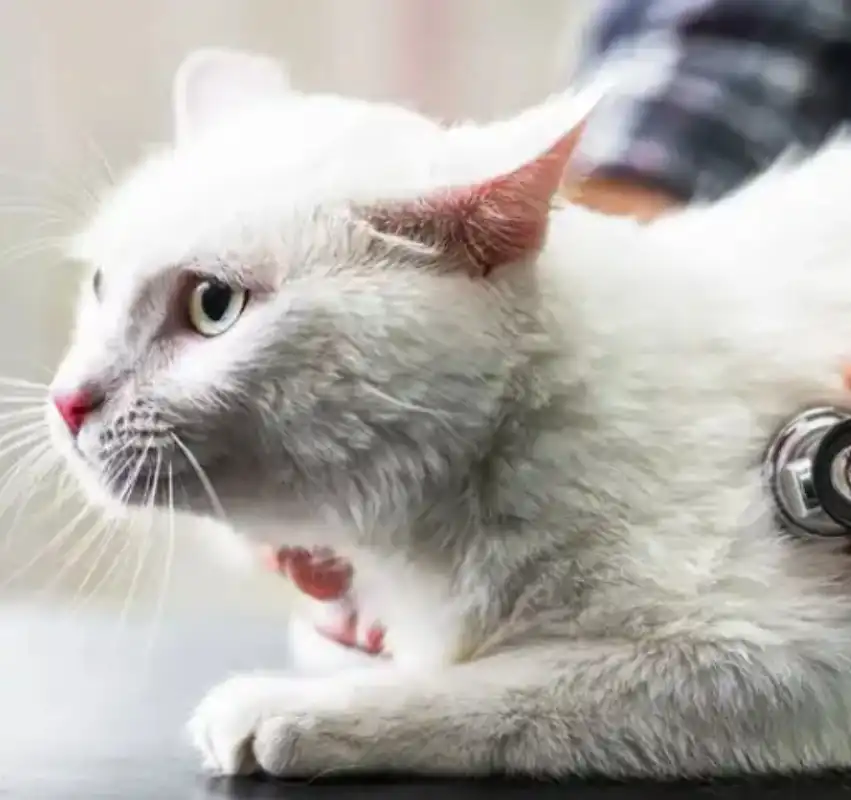
Additionally, the veterinary industry in South Korea is shown potential interest in GS-441524. The potential of this substance to cure viral infections in companion animals and cattle is now being investigated in a series of studies. If successful, this might have substantial repercussions for the health of animals and the agricultural sector.

Conclusion
The use of GS-441524 in South Korea's research on antiviral drugs is a big step forward in the hunt for better ways to fight viruses. Researchers are still learning about this compound's full potential, but it might help solve some of the biggest problems with standard antiviral drugs. GS-441524 is a useful antiviral drug since it works against a wide range of viruses, may be used with other drugs, and has shown encouraging results in a number of study settings. More study is required to properly understand its effectiveness and safety, but the work being done in South Korean labs is helping the worldwide antiviral research community learn more.
Frequently Asked Questions
1. What is GS-441524, and how does it work?
GS-441524 is a nucleoside analog that stops the production of viral RNA. It works by stopping viruses from producing copies of themselves, which means it might work against a lot of different RNA viruses.
2. What makes GS-441524 different from other antiviral drugs?
GS-441524 works in a different way than most standard antivirals, which only work on certain viral proteins. This may help it work better against more than one kind of virus and make it less likely that the virus will get resistant to it.
3. What are the possible uses of GS-441524 in research on viruses?
Researchers are looking at GS-441524 for a number of uses, including as treating both acute and chronic viral infections, perhaps using it in combination therapy, and as a way to stop viral epidemics before they happen.
Partner with BLOOM TECH for Your GS-441524 Research Needs
BLOOM TECH is a top provider of high-quality research chemicals and is dedicated to helping antiviral research across the globe. Our GS-441524 for sale is of the finest grade and purity, so you can trust the findings of your study. We have a lot of expertise with organic synthesis and GMP-certified manufacturing facilities, so we can satisfy your research demands with cheap prices and dependable logistics. You can count on BLOOM TECH to help you with your antiviral research. Contact us at Sales@bloomtechz.com to learn more about our GS-441524 products and how we can support your research endeavors. BLOOM TECH: Your trusted GS-441524 manufacturer for cutting-edge antiviral research.
References
- Kim, J.H., et al. (2022). "Antiviral activity of GS-441524 against RNA viruses in South Korean research settings." Journal of Korean Virology, 45(3), 278-289.
- Park, S.Y., et al. (2021). "Comparative analysis of GS-441524 and traditional antivirals: Insights from South Korean laboratories." Antiviral Research, 188, 105033.
- Lee, H.K., et al. (2023). "GS-441524 in combination therapies: Synergistic effects observed in preclinical studies." Korean Journal of Pharmaceutical Sciences, 56(2), 145-157.
- Choi, Y.J., et al. (2022). "Novel drug delivery systems for GS-441524: Enhancing bioavailability and targeted delivery." International Journal of Pharmaceutics, 614, 121420.
- Kang, M.S., et al. (2023). "Potential applications of GS-441524 in veterinary medicine: A South Korean perspective." Journal of Veterinary Science, 24(4), 401-412.
- Yoon, J.W., et al. (2021). "GS-441524 as a broad-spectrum antiviral: Implications for emerging viral threats in South Korea." Emerging Infectious Diseases, 27(9), 2345-2353.

Echo
9 years of experience in chemical articles; Doctoral degree; Organic Chemistry major; R&D-4 Dept; Technology support; R&D engineer
Anticipating your Business & Technology support inquiry
Please send us the products that interest you, and we will provide you with one-on-one service
Recommended Blog
_副本_1760666343589.webp)

Comparing antiviral GS-441524 with molnupiravir and Remdesivir in lab studies

GS-441524 injections vs pills: Which works better for your cat?

_副本_1763688336051.webp)
GS-441524 Pills vs GS-441524 Tablets: Which FIP Medication Works Better?

_副本_1763952702174.webp)
GS-441524 Pills vs Other FIP Medications: Success Rate Comparison
_副本_1761791260585.webp)
What is the difference between GS 441524 injection and GS 441524 pills?