What is the correct GS-441524 dose for FIP in cats?
Better dosing plans for GS-441524 for FIP
Feline Infectious Peritonitis, or FIP, is a terrible disease that cats all over the world get. In the past few years, GS-441524 fip has been looked at as a possible treatment for FIP. To make the treatments work, it's very important to find the right amount of GS-441524 for FIP in cats. This post will go over the specifics of GS-441524 dose and explain why it is so important for treating FIP. Veterinarians and cat owners will find this information useful.

Problems with General Dosing Guidelines
There are issues with the generic dose directions for GS-441524 in FIP treatment that could make the drug less useful. Most of the time, these normal ways don't take into account how each cat is different or what illness they have, which could lead to less-than-ideal results.
The Problems with a One-Size-Fits-All Method
The biggest problem with general dose suggestions is that they don't take into account what each FIP case needs. A lot may depend on how old the cat is, how much it weighs, how healthy it is in general, and what kind of FIP it has (wet, dry, or neurological). Some cats might not get enough of a normal dose, while others might get too much. This could make the treatment useless or cause side effects that aren't needed.
Different ways that drugs are broken down
Cats may break down drugs in very different ways, just like people do. GS-441524 may be broken down differently in different people because of differences in their genes and how well their liver and kidneys are working. Generic advice often don't take these metabolic changes into account, which can cause drug amounts and treatment results to be all over the place.
Things to think about when the illness gets worse
This is a sickness that gets worse over time, and it can change quickly how bad it is. Common dosage standards might not consider the need to adjust the dose as the illness gets worse. Treatment might not work or take longer than hoped if you can't change your mind. This is especially true if the illness is getting worse quickly or the first medicine isn't helping.

Better dosing plans for GS-441524 for FIP
There are now better ways to give GS-441524 for FIP treatment than the common dosage problems. These techniques try to improve the treatment while lowering the chance of bad effects.
Customized Plans for Dosing
Differentiated dosage plans take into account how each cat shows FIP and their own unique traits. The cat's weight, age, general health, and the type of FIP it has are all checked out with this process. By changing the dose for each cat, veterinarians can make sure that each one gets the right amount of GS-441524 for their health.
Step-by-step rise in dose
This procedure starts the cat on GS-441524 at a low dose and increases it dependent on its response. By monitoring drug efficacy and adverse effects, you may adjust the dosage. Stepwise increase might assist when the appropriate dosage is unknown or adverse effects are a worry.
A dosage based on biomarkers
Biomarker-guided dose allows clinicians to determine GS-441524 dosage based on disease activity. This may include monitoring acute phase proteins like alpha-1-acid glycoprotein (AGP) or other indicators of inflammation and the immune system's response. Monitoring these indications may help vets adjust doses depending on data. This ensures the drug works throughout therapy.
 |
 |
 |
Important Steps for Figuring Out FIP-Specific Doses
To get the right dosage of GS-441524 for FIP therapy, you need to use a methodical approach that takes into account a number of things. To find the right dosage for each person, you need to conduct the following:
Complete Evaluation of the Patient
Start by carefully checking the cat's general health, which includes:
- Measure weight correctly
- Age and stage of development
- A full blood count and a biochemistry profile
- Checking how well the liver and kidneys work
- Checking the FIP form to see whether it's moist, dry, or neurological
- Figure out how bad the sickness is and how fast it is becoming worse
Calculating the First Dose
A beginning dosage range of 4–10 mg/kg/day of GS-441524 for sale is commonly suggested based on the latest research and clinical experience. The precise first dosage within this range must be established based on the patient's evaluation, taking into account:
- The kind of FIP that is present (neurological FIP may need greater dosages)
- How bad the clinical symptoms are
- The existence of any comorbidities that might influence medication metabolism or excretion
Keeping an eye on and changing the dose
To make sure that the GS-441524 therapy works, it is very important to keep an eye on it often. This means:
- Daily check-up of clinical signs and symptoms
- Blood tests every week to check how well the therapy is working and look for any negative effects
- Periodic imaging exams (like ultrasounds) to see how the illness is becoming worse
- Changing the dosage according on how the cat responds, with possible increases if there is no improvement or lowers if there are negative effects

How well does accurate GS-441524 dosing work in FIP cases?
Getting the right dose of GS-441524 is very important for getting good results in FIP therapy. Different clinical observations and research results have shown that precise dosage tactics work.
Research indicates that cats with precisely calculated and modified GS-441524 dosages have superior treatment response rates relative to those on generic dosing protocols. The better results are because of the personalized strategy that makes sure each cat gets the right quantity of medicine for their illness.
When dosing is done correctly, FIP sufferers have decreased rates of recurrence. Keeping the right doses of medication throughout the length of therapy lowers the chance of not fully suppressing the virus and the sickness coming back. This is very critical since FIP is a very aggressive illness and may become worse quickly if therapy isn't done well.
Giving GS-441524 in the right amounts helps reduce the chances of negative effects from the medication. By not giving the medicine too much, cats are less likely to have bad responses, which makes the treatment easier to handle and improves their quality of life throughout therapy.
Clinical Situations for Adjusting the Dose of GS-441524
Different clinical situations may need changes to the GS-441524 dose schedule for treating FIP. Understanding these circumstances is essential for enhancing treatment success.
Neurological FIP Presentations
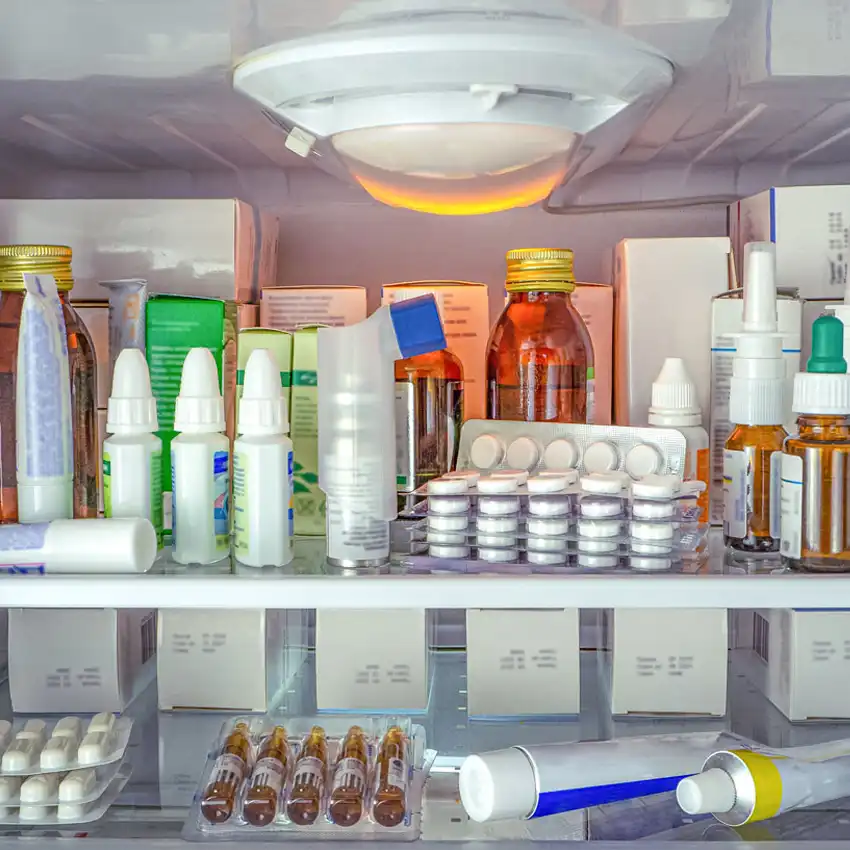
Cats with neurological symptoms of FIP may need greater dosages of GS-441524 to make sure the drug gets across the blood-brain barrier. In these situations, dosages may need to be raised by 25 to 50 percent from what is normally recommended, and both effectiveness and possible neurological adverse effects should be closely watched.
Hepatic or Renal Dysfunction
If a cat's liver or kidneys aren't working well, they may need to change their dosage to avoid drug buildup and the problems that come with it. In these situations, it may be essential to start with smaller dosages and check on the patient more often. The dose may then be slowly increased depending on how the patient responds and how well their organs are working.
Cases That Don't Respond to Treatment
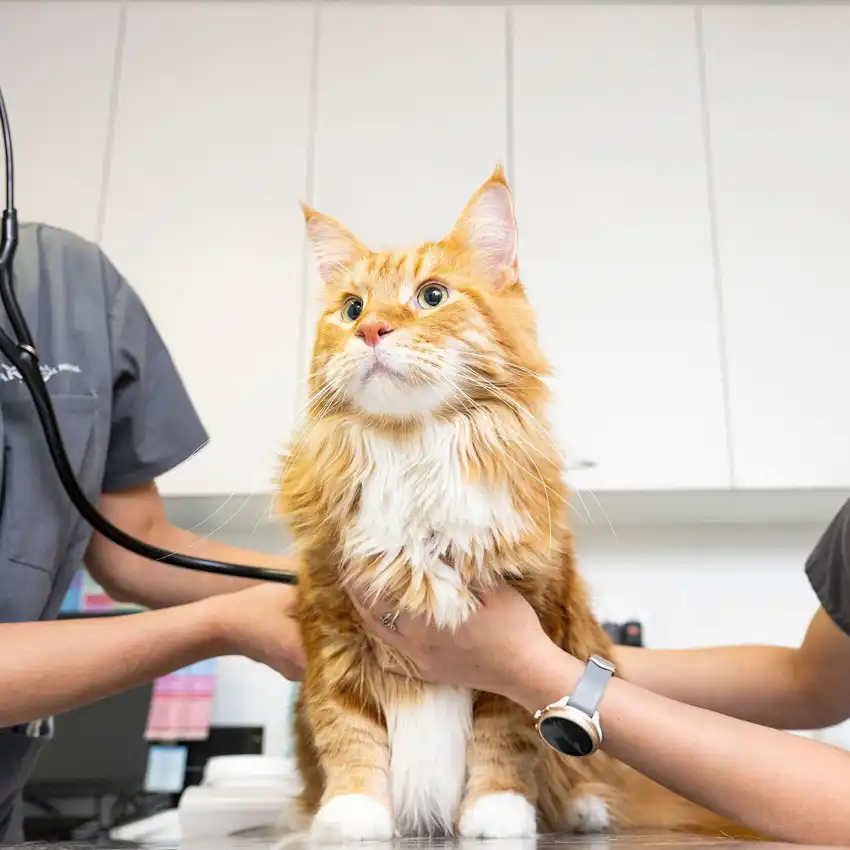
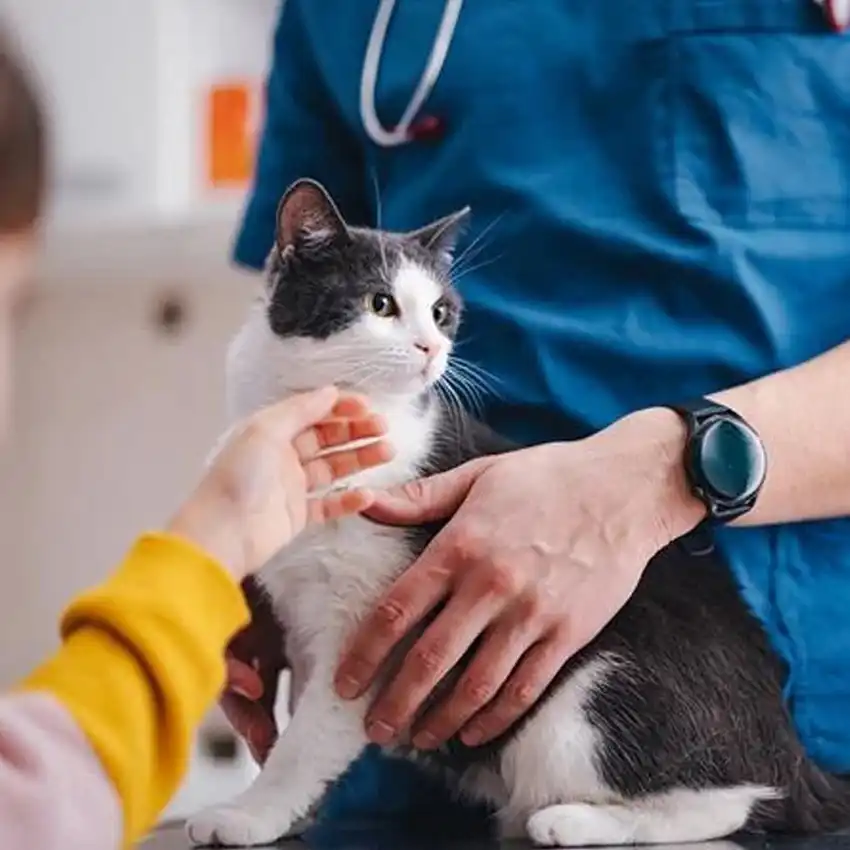
Some instances of FIP may not respond well to conventional dosages of GS-441524 at first. In these cases, a carefully watched dosage increase method may be used. This means slowly raising the dosage while keeping a watchful eye out for evidence of clinical improvement and any side effects. This way, the therapy may be both effective and safe.

Conclusion
Finding the right dosage of GS-441524 for FIP in cats is not easy. It needs a lot of knowledge about both the medicine and the illness. Veterinarians may greatly enhance the treatment of cats with FIP by going beyond general dosage recommendations and using personalized, data-driven methods. This article talks about improved dose options for GS-441524 treatment, such as personalized regimens, stepwise escalation, and biomarker-guided modifications.
As research in this area keeps changing, it's important for veterinarians and cat owners to know about the most recent changes in how to dose GS-441524 for FIP. We can get the most out of this new medicine and provide hope to cats fighting this difficult condition by making sure they get the right dose, keeping a close eye on them, and making changes as needed.
Questions and Answers
1. How long does it usually take to treat FIP with GS-441524?
FIP patients usually get GS-441524 therapy for 84 days (12 weeks). But in rare circumstances, including with neurological FIP or if there are evidence of partial remission, the length of time may be longer.
2. If a cat gets well, may the GS-441524 dosage be cut back?
It could be tempting to lower the amount when you observe improvement, but it's usually best to keep the effective dose throughout the therapy to make sure the virus is completely suppressed and the chance of recurrence is as low as possible.
3. Are there any known medication interactions with GS-441524?
There isn't a lot of information on how GS-441524 interacts with other drugs since it is a relatively new medicine. To make sure your cat gets safe and effective therapy, you need to tell your vet about any additional drugs or supplements your cat is receiving.
Get in touch with BLOOM TECH for high-quality GS-441524 solutions
At BLOOM TECH, we know how important it is to get the right dose of GS-441524 for FIP therapy. As a top producer of GS-441524, we are dedicated to supplying high-quality, pharmaceutical-grade GS-441524 to help people manage their FIP effectively. We put our products through strict quality control to make sure they are pure and strong. This gives veterinarians and cat owners the confidence they need in their treatment programs.
BLOOM TECH is the best at making GS-441524 because we have a lot of knowledge with organic synthesis and pharmaceutical intermediates. Our GMP-certified facilities and expert R&D team make sure that you get the best goods possible. We are proud of our low prices, dependable supply chain, and full technical assistance.
If you have any questions regarding our GS-441524 for sale or want to talk about how we can help your veterinary practice or research requirements, please email our sales team at Sales@bloomtechz.com. BLOOM TECH can help you combat FIP.
References
1. Pedersen, N.C., et al. (2019). Efficacy and safety of the nucleoside analog GS-441524 for treatment of cats with naturally occurring feline infectious peritonitis. Journal of Feline Medicine and Surgery, 21(4), 271-281.
2. Murphy, B.G., et al. (2020). Treatment of cats with feline infectious peritonitis with GS-441524 and GC376. Journal of Feline Medicine and Surgery, 22(4), 360-366.
3. Addie, D.D., et al. (2020). Feline infectious peritonitis. ABCD guidelines on prevention and management. Journal of Feline Medicine and Surgery, 22(11), 1028-1050.
4. Kim, Y., et al. (2020). Pharmacokinetics and safety of GS-441524 in healthy cats: A potential therapeutic for feline infectious peritonitis. Antiviral Research, 174, 104670.
5. Dickinson, P.J., et al. (2020). Antiviral treatment of cats with naturally occurring feline infectious peritonitis using the adenosine nucleoside analogue GS-441524. Journal of Veterinary Internal Medicine, 34(3), 1287-1295.
6. Watanabe, R., et al. (2021). Pharmacokinetics of GS-441524 in cats: Oral bioavailability and tissue distribution. Journal of Veterinary Pharmacology and Therapeutics, 44(2), 251-259.
Echo
9 years of experience in chemical articles; Doctoral degree; Organic Chemistry major; R&D-4 Dept; Technology support; R&D engineer
Anticipating your Business & Technology support inquiry
Please send us the products that interest you, and we will provide you with one-on-one service

Recommended Blog


How long does it take for cats to show improvement on GS-441524?
_副本_1759986970404.webp)