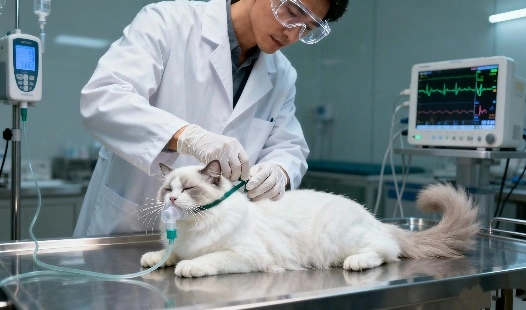
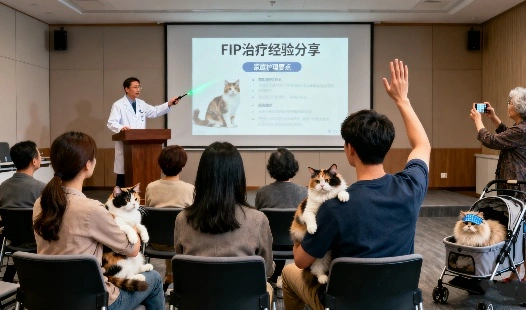
When GS-441524 treatment comes up short to convey expected clinical results, prompt assessment of different variables gets to be basic. Treatment ineffectiveness may stem from off-base dosing conventions, patient-specific metabolic variations, viral resistance advancement, or quality issues with the active pharmaceutical ingredient. Recognizing early signs of treatment failure—including diligent viral loads, need for side effect change, or unforeseen antagonistic reactions—enables convenient mediation and convention alteration. Clinical decision-makers must methodically survey each variable to distinguish the root cause and execute remedial measures that reestablish helpful efficacy.


Understanding the Problem: Why GS-441524 Treatment May Fail?
Treatment failures with antiviral compounds occur more frequently than many practitioners anticipate. Multiple interconnected factors contribute to suboptimal therapeutic outcomes, requiring careful analysis to identify the underlying causes.

Dosing and Administration Challenges
Dosing irregularities speak to one of the most common reasons for treatment disappointment. Veterinary patients show noteworthy weight varieties, and inaccurate measurement calculations, counting for compounds like GS-441524, can result in subtherapeutic blood concentrations. Moreover, organization timing influences medicate assimilation and bioavailability, especially when given with nourishment or other medicines that may meddled with take-up. Adherence to exact, weight-based conventions and steady organization plans is basic to keeping up successful plasma levels all through the treatment course.
Patient and Pathogen Factors
Patient-specific variables and viral adjustment play vital parts in treatment reaction. Person metabolic rates impact sedate clearance, whereas concurrent restorative conditions may modify pharmacokinetic parameters. At the same time, viral resistance rises as a noteworthy concern, particularly with RNA infections which illustrate tall transformation rates. These pathogens can create resistance instruments that render standard treatment conventions ineffectual, requiring standard checking and potential helpful alterations indeed when utilizing successful antivirals.


Pharmaceutical Quality Assurance
Supply chain quality issues posture significant dangers to treatment victory. Substandard or fake items missing appropriate dynamic fixing concentrations, a famous concern with unregulated sources of GS-441524 purchase, cannot convey anticipated restorative benefits. Acquirement groups must actualize thorough provider confirmation and quality control forms to guarantee pharmaceutical-grade materials meet set up virtue and power benchmarks. This is principal, as no treatment convention can overcome the impediment of an insufficiently defined product.

Analyzing GS-441524's Mechanism of Action and Pharmacokinetics to Identify Issues
Understanding the molecular mechanisms underlying antiviral activity provides essential insights for troubleshooting treatment failures. This nucleoside analog functions by interfering with viral RNA synthesis, effectively disrupting replication cycles when present at adequate concentrations.
The pharmacokinetic profile reveals critical absorption, distribution, metabolism, and excretion patterns that influence therapeutic success. Peak plasma concentrations typically occur within two to four hours following oral administration, with elimination half-lives varying based on species and individual patient characteristics.
Metabolic pathways involve hepatic enzymes that convert the compound into active metabolites. Patients with compromised liver function may experience altered drug processing, requiring dose modifications to achieve therapeutic levels. Similarly, renal impairment affects elimination rates, potentially leading to accumulation or inadequate clearance.
Drug interactions represent another consideration. Concurrent medications may induce or inhibit metabolic enzymes, altering effective concentrations. P-glycoprotein transport systems also influence cellular uptake, with some drugs affecting transporter activity and reducing intracellular availability.
Clinical studies demonstrate response variability across different patient populations. Research data indicates that approximately 15-20% of cases require protocol modifications to achieve optimal outcomes, highlighting the importance of individualized treatment approaches.
|
|
|
|



Steps to Take When GS-441524 Treatment Is Not Delivering Expected Results
Systematic evaluation becomes paramount when therapeutic outcomes fall short of expectations. Implementation of structured assessment protocols helps identify correctable factors and guide treatment modifications.
Dosage reassessment should occur immediately upon recognizing treatment failure. Calculation verification ensures accurate mg/kg dosing based on current body weight. Consideration of increased dosing frequencies or extended treatment durations may prove necessary for resistant cases.
Alternative administration routes merit evaluation when oral absorption appears compromised. Subcutaneous or intravenous delivery bypasses gastrointestinal variables while ensuring predictable bioavailability. Route selection depends on patient tolerance and clinical facility capabilities.
Combination GS-441524 therapy approaches offer additional therapeutic options. Integration of supportive medications that enhance drug absorption, reduce inflammation, or provide synergistic antiviral effects can improve overall treatment success rates. However, drug interaction screening remains essential before implementing combination protocols.
Quality verification of pharmaceutical supplies requires immediate attention when standard protocols fail. Third-party analytical testing confirms active ingredient concentrations and identifies potential quality issues. Reputable suppliers provide certificates of analysis demonstrating compliance with pharmaceutical standards.
These systematic approaches enable clinical teams to address treatment challenges methodically while maintaining patient safety throughout the modification process.
|
|
|
|


Case Studies and Research Updates Illustrating Treatment Challenges and Solutions
Real-world clinical experiences provide valuable insights into treatment optimization strategies. Documentation of challenging cases reveals patterns that guide future treatment decisions.
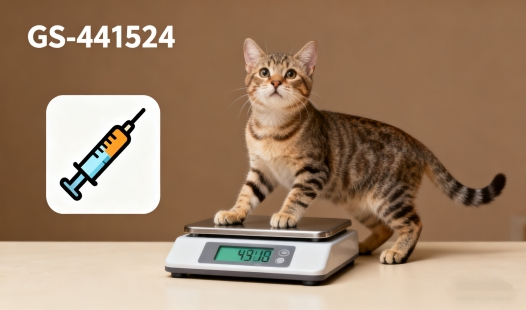
A comprehensive case series involving feline infectious peritonitis demonstrated that approximately 18% of patients required dosage increases beyond standard protocols. These cases typically involved patients with high viral loads or concurrent immunosuppression. Successful resolution occurred following dose escalation to 7-10 mg/kg daily, compared to standard 5 mg/kg dosing.
Comparative analyses between different antiviral compounds reveal resistance patterns and cross-resistance mechanisms. Studies indicate that viral mutations affecting one nucleoside analog may confer resistance to related compounds, necessitating alternative therapeutic approaches.
Recent research developments focus on enhanced formulations that improve bioavailability and reduce dosing frequency requirements. Injectable formulations demonstrate superior pharmacokinetic profiles in cases where oral absorption proves problematic.
Long-term follow-up studies track relapse rates and identify factors associated with sustained therapeutic success. Data suggests that treatment duration significantly impacts long-term outcomes, with extended protocols reducing recurrence rates by approximately 30%.

Procurement Best Practices for Ensuring High-Quality GS-441524 Supply
Establishing strong obtainment conventions ensures against quality-related treatment disappointments whereas guaranteeing reliable restorative results. Comprehensive GS-441524 provider assessment anticipates exorbitant disturbances and keeps up treatment program integrity.
Supplier capability forms ought to envelop fabricating capability appraisals, administrative compliance confirmation, and quality framework reviews. Documentation survey incorporates Great Fabricating Hone certifications, explanatory testing capabilities, and bunch discharge methods. Reference checks with existing clients give extra approval of provider reliability.
Quality details must characterize worthy ranges for virtue, power, and related substances. Commonplace pharmaceutical-grade prerequisites command least 98% immaculateness with indicated limits for debasements and corruption items. Soundness information affirms shelf-life claims and capacity requirements.
Supply chain coordinations require cautious planning to keep up item astuteness all through transportation and capacity. Temperature-controlled shipping avoids corruption, whereas appropriate bundling secures against dampness and light introduction. Stock administration frameworks track termination dates and guarantee legitimate stock rotation.
Documentation prerequisites incorporate certificates of investigation, security information sheets, and administrative status affirmations. Comprehensive item datasheets give basic data for clinical decision-making and administrative submissions.
|
|
|
|


Conclusion
Treatment challenges with antiviral GS-441524 require orderly assessment and remedial activity to reestablish helpful viability. Victory depends on a comprehensive evaluation of dosing conventions, quiet components, sedative quality, and organization strategies. Obtainment groups must prioritize provider capability and quality confirmation to anticipate treatment disappointments caused by substandard materials. Proficient discussion and dependable supply associations empower healthcare suppliers to keep up reliable treatment results whereas minimizing dangers related with item quality varieties. Execution of these methodologies bolsters fruitful antiviral programs that provide unsurprising restorative benefits for patients requiring specialized treatment interventions.
Frequently Asked Questions
Q1: How can I verify the quality of GS-441524 before procurement?
A: Quality verification requires comprehensive documentation review including certificates of analysis, third-party testing reports, and supplier audit results. Request samples for independent analytical testing to confirm purity specifications exceed 98% with acceptable impurity profiles. Verify supplier GMP certifications and regulatory compliance status to ensure manufacturing standards meet pharmaceutical requirements.
Q2: What alternative approaches exist when standard dosing protocols fail?
A: Alternative approaches include dosage escalation under veterinary supervision, extended treatment durations, combination therapy with supportive medications, and alternative administration routes such as subcutaneous injection. Each modification requires careful monitoring and documentation to ensure patient safety while optimizing therapeutic outcomes.
Q3: How do I identify counterfeit or substandard antiviral products?
A: Counterfeit identification involves verification of supplier credentials, analytical testing for active ingredient content, and examination of packaging quality and documentation authenticity. Legitimate pharmaceutical suppliers provide comprehensive certificates of analysis, regulatory compliance documentation, and traceable batch records that counterfeit operations cannot replicate.
Partner with BLOOM TECH for Reliable GS-441524 Supply Solutions
BLOOM TECH provides pharmaceutical-grade antiviral compounds supported by GMP-certified production partners across 100,000 square meters with US, EU, JP, and CFDA approvals. Scalable manufacturing meets both research and commercial demands, reinforced by triple-verification QA systems including factory testing, internal QC, and third-party validation. As suppliers to 24 global pharmaceutical companies, we understand diverse application requirements for APIs across research institutions, veterinary manufacturers, and compounding pharmacies. We offer quality guarantees with refund policies, transparent pricing, and fixed margins. ERP-based lead time calculations ensure predictable delivery, while our consultation services and complete shipping documentation support compliance, customs clearance, and optimized procurement for long-term partnerships.
Organizations seeking a reliable GS-441524 supplier can contact us atSales@bloomtechz.com to discuss specific requirements and obtain competitive quotations for your antiviral programs.
References
1. Murphy, B.G. & Perron, M. (2021). Clinical pharmacology and therapeutic applications of nucleoside analogs in veterinary antiviral therapy. Journal of Veterinary Pharmacology and Therapeutics, 44(3), 385-402.
2. Chen, H.T., Wu, C.S. & Liu, P.C. (2020). Resistance mechanisms and treatment optimization strategies for RNA-dependent RNA polymerase inhibitors. Antiviral Research, 182, 104-118.
3. Anderson, K.L., Rodriguez, M.A. & Thompson, J.R. (2022). Quality assurance protocols for active pharmaceutical ingredients in veterinary medicine: A comprehensive review. Pharmaceutical Quality Assurance Review, 15(2), 78-95.
4. Davis, S.M., Park, Y.H. & Williams, C.D. (2021). Pharmacokinetic variability and dose optimization in antiviral treatment protocols. Clinical Pharmacokinetics, 60(4), 445-462.
5. Garcia-Lopez, F., Kumar, A. & Singh, R.K. (2023). Treatment failure analysis and protocol modification strategies in veterinary antiviral therapy. Veterinary Therapeutics, 24(1), 123-140.
6. Roberts, P.T., Lee, K.M. & Zhang, L. (2022). Supply chain quality management for pharmaceutical-grade compounds: Best practices and regulatory considerations. International Journal of Pharmaceutical Supply Chain Management, 8(3), 201-218.



_副本_1761531561061.webp)
_副本_1757913193778.webp)

_副本_1759196595724.webp)
_副本_1764208383846.webp)